INDUSTRIAL SAFETY 
CHARACTERISTICS TO CONSIDER WHEN CHOOSING A WELDING HELMET
The welding helmet or welding mask is a welder’s most essential piece of equipment; it is personal gear,…
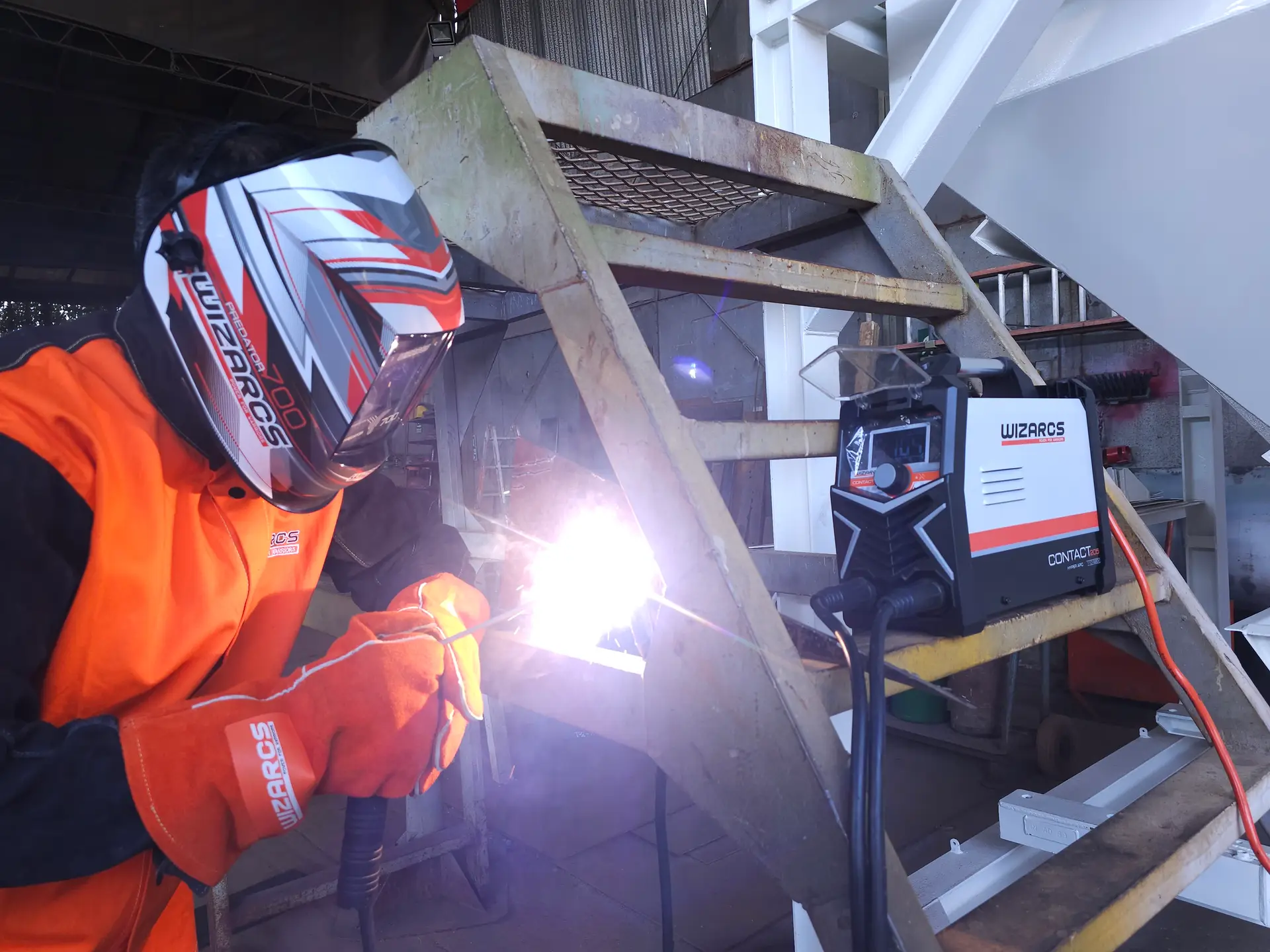
Welding is a centuries-old skill that has shaped our modern world, but behind every brilliant spark lies an invisible danger to our eyes. From the blinding light of the electric arc to flying sparks, welders face a series of ocular hazards that can affect their vision in the long term. In this journey into the world of welding, we will explore the most common eye conditions lurking in the shadows and how welders can protect their precious eyes from these invisible dangers.
1. Temporary Arc Eye: When Light Turns to Darkness
The electric arc is the centerpiece of welding, but its brilliance can have devastating consequences for our eyes. Temporary arc eye, also known as “arc flash burn,” occurs when the eyes are exposed to the intense ultraviolet and visible light of the arc. Symptoms can include blurred vision, pain, and light sensitivity. Although generally temporary, repeated exposure can cause permanent damage to the retina.
2. Actinic Keratitis: The Welder’s Sunburn
Imagine a sunburn on your eyes. That is what welders experience with actinic keratitis. This painful eye condition, caused by prolonged exposure to ultraviolet radiation from the electric arc, can produce symptoms such as a foreign body sensation, excessive tearing, and blurred vision. Although actinic keratitis generally heals on its own within a few days, repeated exposure can increase the risk of developing cataracts in the long term.
3. Cataracts: When the Light Fades
Cataracts are one of the leading causes of vision loss worldwide, and welders face an elevated risk of developing this eye condition. Chronic exposure to ultraviolet radiation from the electric arc can accelerate cataract formation, clouding the lens and impairing vision. Although cataracts can be treated with surgery, prevention is key to protecting long-term vision.
4. Chemical Conjunctivitis: When the Eyes Cry for Help
The chemicals used in the welding process can irritate and damage the delicate membrane lining the eye, causing chemical conjunctivitis. Symptoms can include redness, itching, swelling, and excessive tearing. Prevention, through the proper use of personal protective equipment, is essential to avoid this painful eye condition.
Protecting Your Eyes: The Shield Against Welding Hazards
In the face of these invisible dangers, welders must equip themselves with an reliable shield: adequate personal protective equipment. The use of certified welding helmets, safety glasses, and face shields can help protect welders’ eyes from intense light, sparks, and harmful chemicals. Additionally, taking regular breaks and undergoing periodic eye examinations can help detect and prevent eye conditions before they become a serious problem.
As welders continue to shape our world, it is crucial that they protect their eyes from the glare and hidden hazards of welding. With the right protective equipment and proper care, they can keep their precious eyes safe and their vision sharp while lighting the way toward the future. Stay protected and weld safely!
Ask the DoctorWelding assistant about this topic and it answers citing our articles.

The welding helmet or welding mask is a welder’s most essential piece of equipment; it is personal gear,…
As has been evidenced in other articles about welding fumes and the proper way to select a metal…