INDUSTRIAL SAFETY 
THE 5 DISEASES THAT CAN BE CAUSED BY WELDING FUMES.
As has been evidenced in other articles about welding fumes and the proper way to select a metal…
The welding helmet or welding mask is a welder’s most essential piece of equipment; it is personal gear, and therefore its care and maintenance are important. To choose the right welding helmet, you should be familiar with the different features offered by the vast majority of helmets on the market. They come in various designs and are made from different materials, but what matters most is the quality of the lens filter used. Keep in mind that this element will protect your vision, and you need to invest in that protection. Below are the key features to consider when choosing a good welding helmet:
The first thing to analyze is what types of helmets are available on the market. There are hand-held shields, which are designed for occasional work and are not recommended for long working sessions. Remember that the electric arc generates ultraviolet and infrared radiation, which can affect the skin.
There are also classic helmets with passive shade filter lenses; many welders prefer them for the comfort they provide. This type of helmet is suitable for long work sessions. The main recommendation is to replace the protective lens, which becomes saturated from spatter and affects visibility. If the right filter shade is not chosen, eyestrain can occur and may lead to headaches.
On the other hand, there is the technological evolution in welding helmets known as auto-darkening helmets. Some welders do not use them because they have had bad experiences with certain brands and very low safety ratings.
What you should look for in an auto-darkening helmet is the following:
Protection shade levels for arc welding, from the lightest to the darkest filter:
Example

Fellow welder, keep in mind that a welding helmet is a worthwhile safety investment. Research and find the one that best suits your preferences and budget, always keeping safety first.
Ask the DoctorWelding assistant about this topic and it answers citing our articles.

As has been evidenced in other articles about welding fumes and the proper way to select a metal…
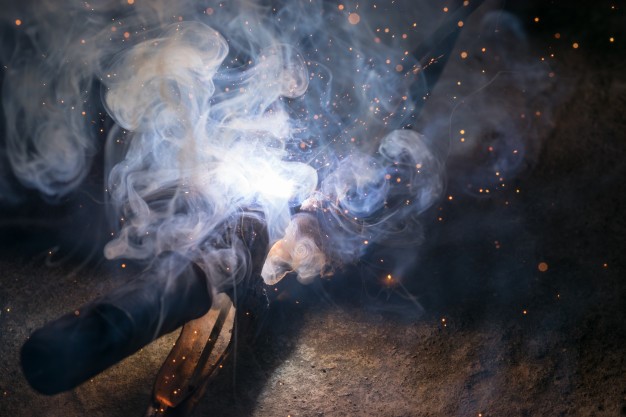
The fumes produced by welding processes are a varied mixture of gases and fine metallic particles; their compositions…