INDUSTRIAL SAFETY 
CHARACTERISTICS TO CONSIDER WHEN CHOOSING A WELDING HELMET
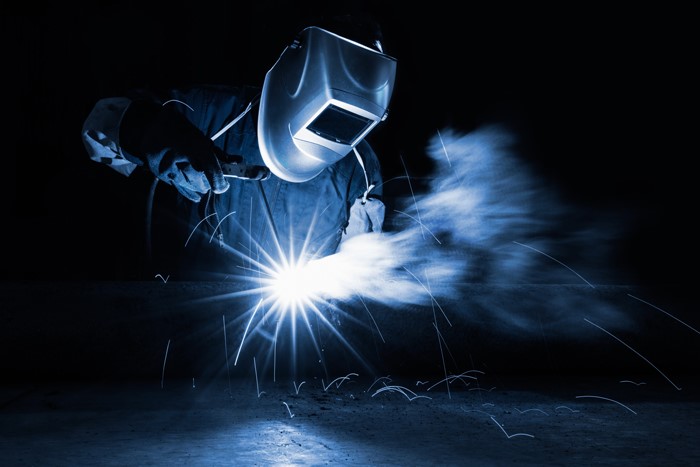
The welding helmet or welding mask is a welder’s most essential piece of equipment; it is personal gear,…
To analyze the different effects generated by the welding arc, one must first understand what an electric arc is, how it develops, and how it can cause harm.
ELECTRIC ARC.
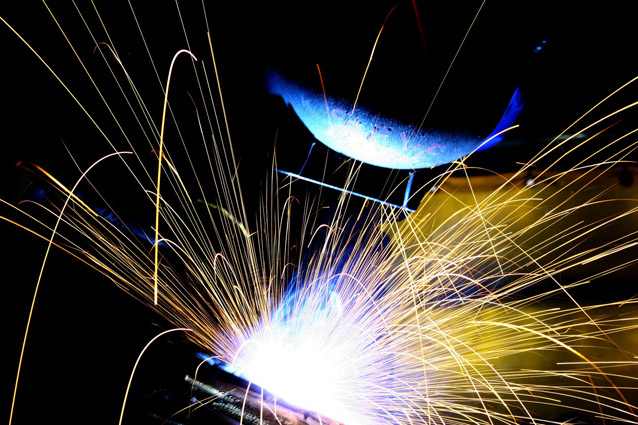
An electric arc is a very bright and luminous glow that takes on an almost conical shape when unrestricted or uncompressed. This arc is the result of the successful passage of electric current across an air gap. It can form when two conductors of an electrical circuit come together making electrical contact or a short circuit; when they are separated, and if sufficient voltage is available to maintain the current flow, the arc is established and sustained. Considerable heat is created by the resistance introduced into the current flow by this air gap. These heated and ionized gases (gases that conduct electricity) are called plasma arc, or sometimes referred to as an electric arc. The heat distribution in an arc depends on the current density (amperes per square inch of cross-sectional area of an electrode) at the electrode; seventy percent of the total electrical energy converted into heat is concentrated at the positive electrode at the densities used in welding. This occurs at the point where the electric current passes from the solid medium of the electrode to the gaseous medium of the arc plasma; the heat balance occurs in the arc plasma and at the negative work connection. These characteristics make this physicochemical phenomenon useful for joining metals, but what happens during welding?
The electric arc can reach temperatures between 3,000°C and 15,000°C, which is why steel can be melted within seconds. This reaction generates ultraviolet and infrared radiation that can cause serious health effects if proper precautions are not taken.
Ultraviolet rays: Their range begins at wavelengths shorter than what humans can perceive as the color violet; however, this light or wavelength is invisible to the human eye as it lies beyond the visible spectrum. This radiation is an integral component of solar rays and produces various health effects, as it falls between non-ionizing and ionizing radiation. There are different types of UV radiation (A, B, and C), which are associated with the damage they cause to humans; UV-C radiation is the most harmful to life.
Moderate absorption of UV-B ultraviolet rays enables the synthesis of vitamin D in the skin, which is necessary for calcium absorption and its deposition in bones.
Among the damages that ultraviolet rays can cause to humans are skin effects such as irritation, wrinkles, loss of elasticity, blemishes, and skin cancer. They can also cause ocular conditions and may trigger systemic lupus erythematosus or actinic keratosis.
Infrared rays. These are a type of electromagnetic and thermal radiation, with a longer wavelength than visible light but shorter than that of microwaves. The wavelength range spans from 0.7 to 1,000 micrometers. The extent of these rays ranges from 750 nanometers to 1 mm. Bands A, B, and C have boundaries at 750, 1,400, 3,000, and 100,000 nanometers (nm).
The biological effects of infrared rays are limited due to their low penetrating power; only thermal effects exist. Infrared radiation penetrates the superficial layer of the skin to no more than 0.8 mm in depth; therefore, the effect is solely superficial heating. It should be noted that between 750 and 1,500 nm it can cause burns and increased pigmentation. The eye is equipped with protective mechanisms against infrared rays; however, prolonged exposure can produce erythema, corneal lesions, burns, or even opacities.
The intense light associated with an electric arc can cause retinal damage, while infrared radiation can damage the cornea and result in cataract formation.
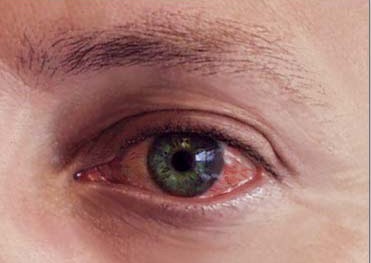
Ultraviolet (UV) light from the arc, which is invisible, can cause “welder’s flash” or “arc eye,” even after brief exposure (less than one minute). Symptoms of arc eye typically occur many hours after exposure to ultraviolet light and include a gritty sensation in the eyes, blurred vision, intense pain, tearing, a burning sensation, and headache. It is important to consult a specialist and avoid home remedies, as these can in some cases complicate the condition and lead to more serious injuries.
In welding, both types of radiation are present, and as can be seen, both present risk factors. Therefore, the use of certified welding filters and welding helmets is essential. Below is the standard that establishes filter regulations.
PROTECTION AGAINST THE ELECTRIC ARC.
First and foremost, the eyes must be protected against welding arc rays. Keep in mind that these are invisible rays, and the type of filter required depends on the amperage level — that is, on the welding process. The higher the amperage range, the darker the lens shade must be.

Welding protective filters are coded according to standard DIN 4647.
Protection levels for arc welding, from the lightest to the darkest filter:
| WELDING PROCESS | ELECTRODE DIAMETER IN MM. | AMPERAGE RANGE | MINIMUM PROTECTION | RECOMMENDED PROTECTION |
|---|---|---|---|---|
| MMA -SMAW | Less than 2.5 mm | Less than 60 Amp | 7 | – |
| MMA -SMAW | 2.5 mm to 4 mm | 60 Amp to 160 Amp | 8 | 10 |
| MMA -SMAW | 4 mm to 6.4 mm | 160 Amp to 250 Amp | 10 | 12 |
| MMA -SMAW | Greater than 6.4 mm | 250 Amp to 500 Amp | 11 | 14 |
| GMAW AND FCAW | Less than 60 Amp | 7 | ||
| GMAW AND FCAW | 60 Amp to 160 Amp | 10 | 11 | |
| GMAW AND FCAW | 160 Amp to 250 Amp | 10 | 12 | |
| GMAW AND FCAW | 250 Amp to 500 Amp | 10 | 14 | |
| GTAW (TIG) | Less than 50 Amp | 8 | 10 | |
| GTAW (TIG) | 50 Amp to 100 Amp | 8 | 12 | |
| GTAW (TIG) | 150 Amp to 250 Amp | 10 | 14 | |
| PAC/ PLASMA | Less than 20 Amp | 6 | ||
| PAC/ PLASMA | 20 Amp to 100 Amp | 8 | 10 |
[poll id=”451″]
Ask the DoctorWelding assistant about this topic and it answers citing our articles.

The welding helmet or welding mask is a welder’s most essential piece of equipment; it is personal gear,…
As has been evidenced in other articles about welding fumes and the proper way to select a metal…