PROCESOS SOLDADURA

10 PRACTICAL RECOMMENDATIONS FOR WELDING WITH THE GTAW PROCESS.

admin June 15, 2026 2 min 0

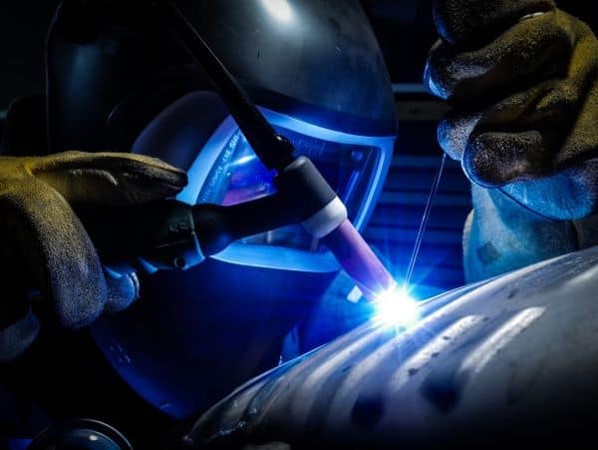
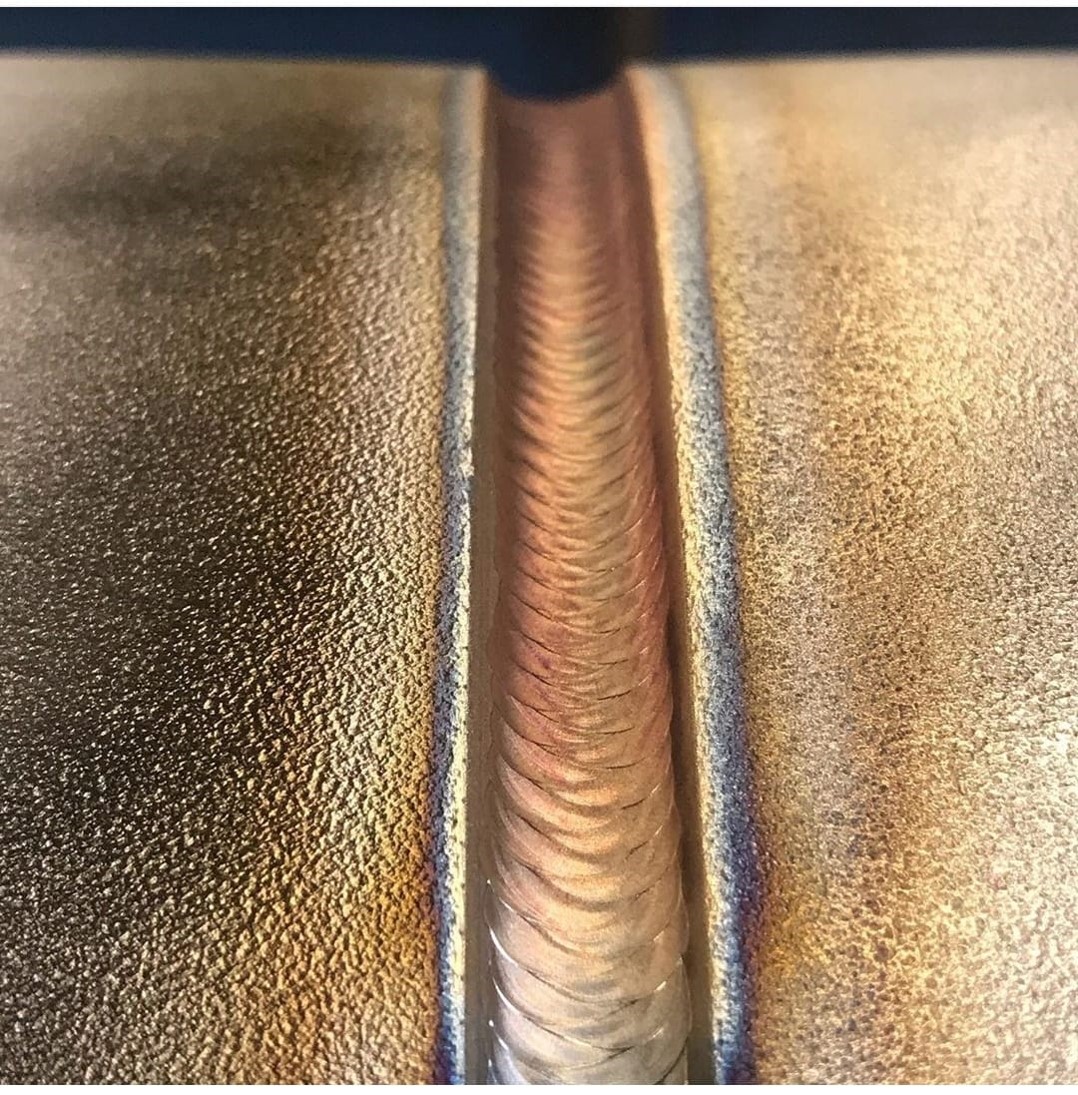
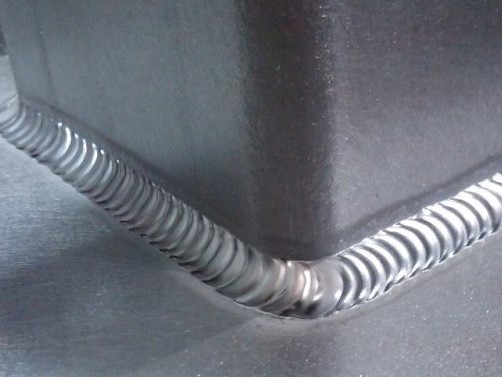
The GTAW – TIG process is the highest quality welding process in existence. In its early days, it was known as the Heliarc process, since its first applications used helium as a shielding gas. Today it has a wide range of applications across different industrial sectors, which is why it is important to keep these 10 recommendations in mind to achieve the best possible weld beads.

  1. Consider the type of base material you are going to weld. It is important to have a clear understanding of the characteristics and technique to be used.
  2. Depending on the material to be welded, the characteristics of the welding equipment must be taken into account. (In the industry, welding equipment specialized in the TIG process includes direct current machines for welding ferrous metals (steels, stainless steels), while alternating current equipment is used for non-ferrous materials such as aluminum and its alloys.)
  3. Remember that the TIG process is highly versatile and can be applied to all materials and in all positions.
  4. This process can be performed with or without filler metal, using autogenous fusion. If filler metal is used, it must have the same characteristics as the base metal.
  5. The shielding gases used in this process are always inert; argon or helium may be used, or a mixture of these two gases.
  6. Shielding coverage is essential in this process; therefore, the shielding gas flow must be constant. Verify that the coverage is always between 12 and 18 liters per minute, or 24 to 26 cubic feet per hour, depending on the type of regulator being used.
  7. Remember that excessive shielding gas flow pressure can also affect the weld bead, causing porosity.
  8. Depending on the welding application and position, the travel technique for the TIG process should be the forehand (push) technique, as it provides an adequate viewing angle of the weld pool.
  9. Remember to select the tungsten electrode according to the type of material to be welded: green for aluminum, purple or rare earth for stainless steels, carbon steels, or you may also use grey or turquoise.
  10. Use the appropriate welding helmet for the amperage range, and properly use all personal protective equipment. Remember that argon doubles radiation levels, making proper protection essential.

Still have a question?

Ask the DoctorWelding assistant about this topic and it answers citing our articles.

admin Technical welding knowledge since 2018

Related articles

Leave a comment