WELDING PROCESS 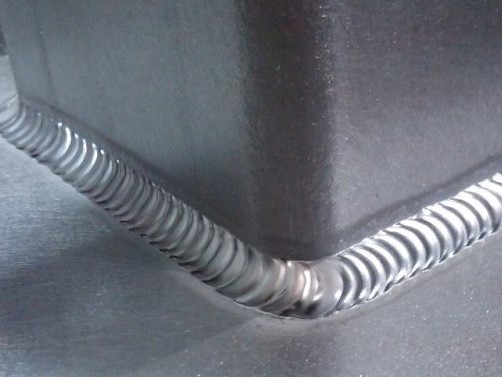
CAN ALUMINUM BE WELDED WITH THE MIG/MAG PROCESS?
The answer is very simple: yes, it is possible. In fact, since the early development of the GMAW…

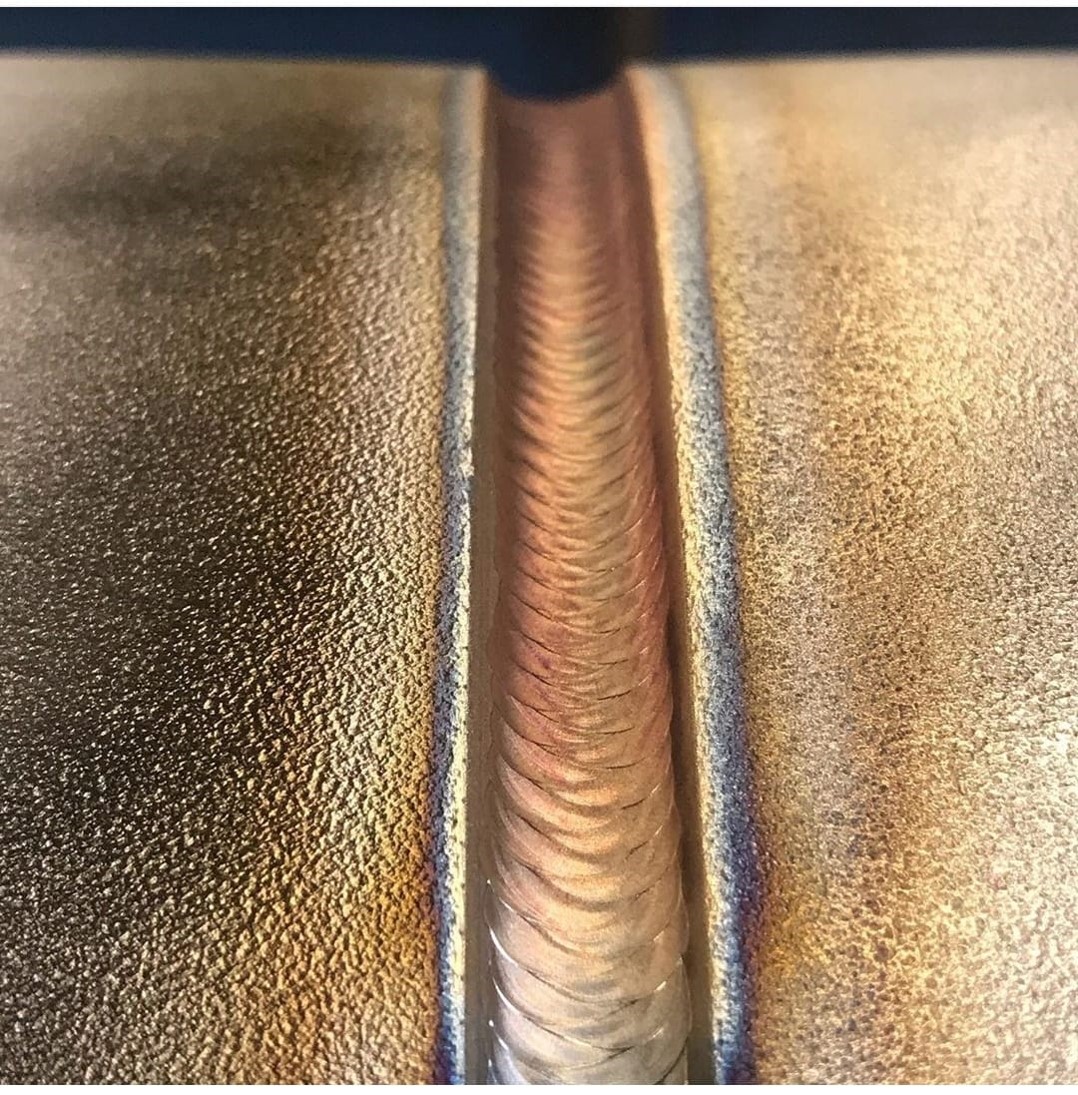
Stainless steels are a group of materials whose main characteristic is corrosion protection, due to their CHROMIUM content, which must be greater than 11%. This element prevents stainless steel from rusting, although there have been cases in which it has corroded due to the carbon content, which can affect the microstructure of the steel, leading to intergranular corrosion and thus causing premature oxidation.
This material has different uses; it can be found in the chemical, petrochemical, pharmaceutical, and food industries, the latter being where it plays a major role.
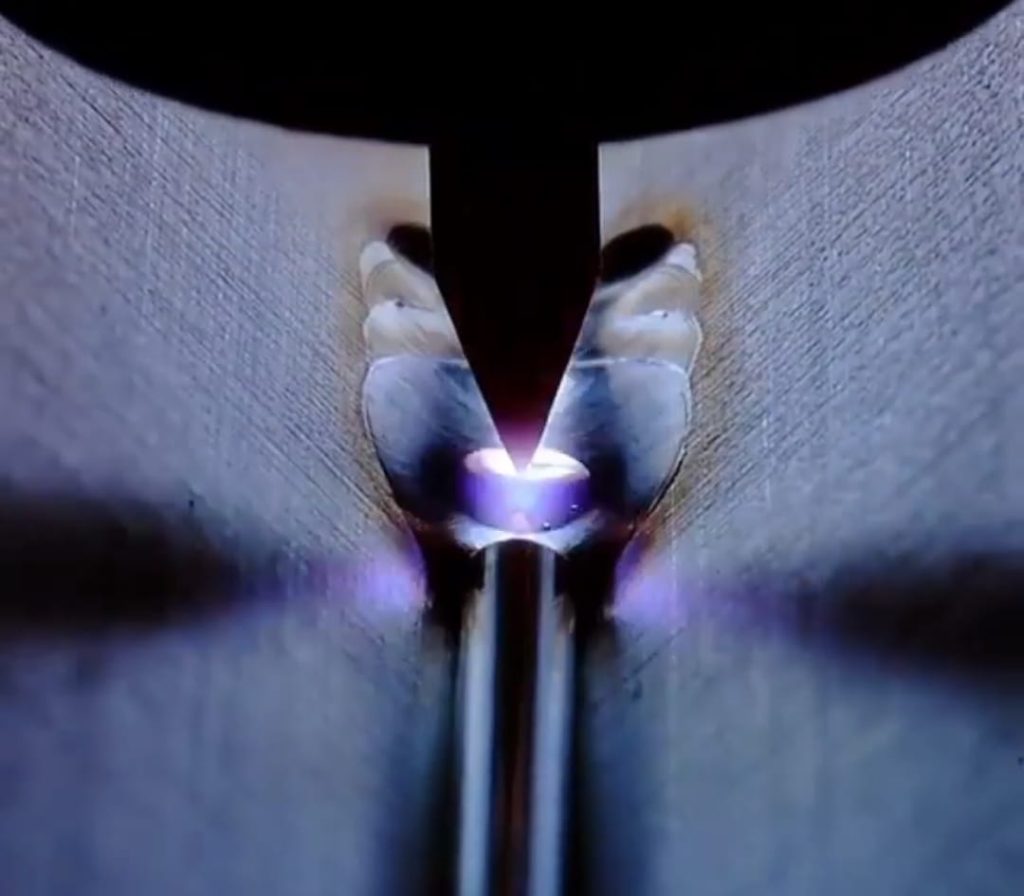
To weld stainless steels, it is important to know the intended field of application, since if it is the chemical, petrochemical, or food industry, the GTAW process — more commonly known as the TIG process — must be used. This is a welding process that uses an electric arc between a tungsten electrode (non-consumable) and the base metal to melt the filler material (optional) and the base metal, thereby creating the welded joint.
This process is considered the highest-quality one, as a properly applied weld bead is nearly flawless. For this reason, in stainless steel applications within the food industry, this process becomes mandatory, since bacteria that can cause problems in food processing must not be able to harbor in the joints.
Among its most outstanding advantages is the ability to produce high-quality welds, generally free of defects. It is also applicable to a large number of alloys, such as: carbon, low-alloy, and stainless steels; nickel, Monel, and Inconel; copper, brass, and bronze; titanium, aluminum, and magnesium. For these last two materials, alternating current must be used to achieve the best welding results.
Weldability of stainless steels using the GTAW (TIG) process. Whenever welding joints are required, verify the type of material — that is, which type of stainless steel it is. Remember that there are 3 groups according to their chemical composition and microstructure: austenitic, ferritic, and martensitic.
Carry out a proper cleaning process using abrasive pads or cloths, which must be used exclusively for this material.
If it is a pipe or a sheet forming a tank, remember that backing is required; this can be copper backing rings, gas backing with argon or nitrogen, or a consumable backing insert.
Use tungsten electrodes designed for direct current, such as lanthanum, cerium, or rare earth alloy types.
Remember that welding stainless steel with the TIG process requires an inert shielding gas, which can be argon or helium. If the material thickness is very thin, look for equipment with pulsed arc TIG technology, as this type of technology helps reduce heat input, producing an excellent weld bead appearance.
Finally, do not forget to use the appropriate certified filler material. Remember that welding is like surgery — it must be done perfectly.
Ask the DoctorWelding assistant about this topic and it answers citing our articles.

The answer is very simple: yes, it is possible. In fact, since the early development of the GMAW…
When purchasing a welding machine, several factors must be analyzed since it represents your next business investment. It…