WELDING PROCESS 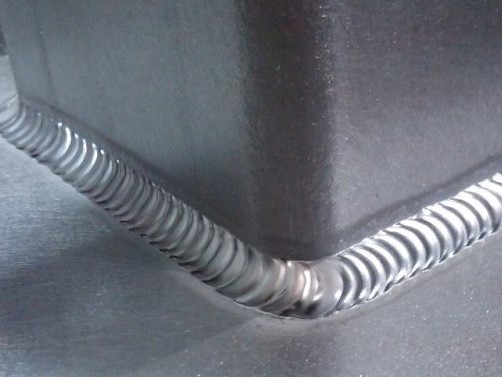
CAN ALUMINUM BE WELDED WITH THE MIG/MAG PROCESS?
The answer is very simple: yes, it is possible. In fact, since the early development of the GMAW…

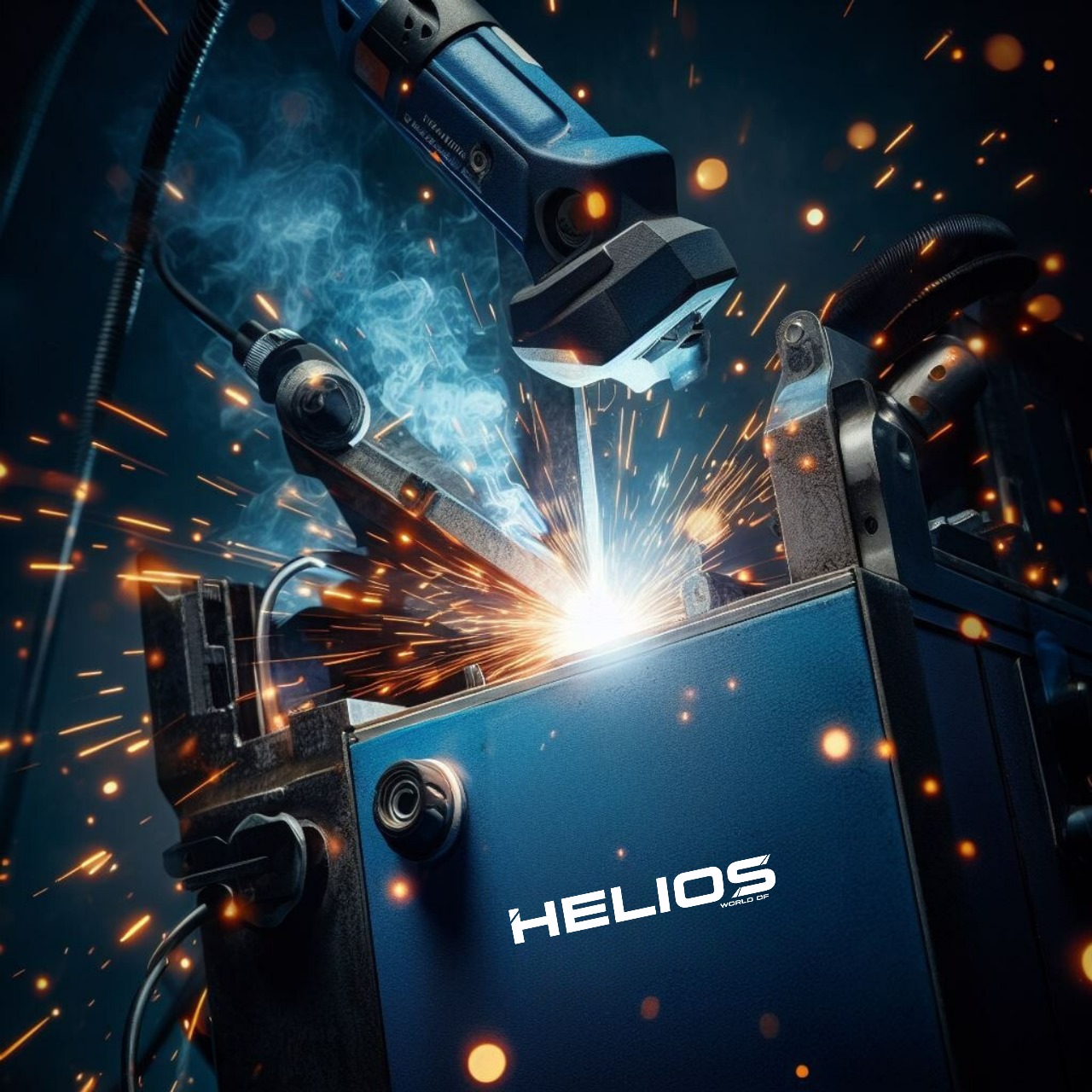
Robotic welding has emerged as a revolutionary technology in the industrial sector, transforming the way metal joining processes are carried out. The integration of robots into welding operations has improved efficiency, precision, and safety compared to traditional methods. In this article, we will explore technological advances in robotic welding and its various applications.
1. Evolution of Robotic Welding:
Robotic welding has evolved considerably since its early implementations. In past decades, welding robots were rigidly programmed and required precise configuration for each task. However, advances in artificial intelligence, computer vision, and sensor technology have transformed robotic welding into a more flexible and adaptable process.
2. Key Technologies in Robotic Welding:
a. Computer Vision:
The ability of welding robots to “see” and adapt to variations in workpiece position has improved significantly thanks to computer vision systems. This allows robots to automatically adjust their travel path and ensure precise welds even under variable conditions.
b. Advanced Sensors:
Touch and force sensors allow robots to detect changes in welding conditions, adjusting pressure and travel speed in real time. This optimizes weld quality and minimizes the risk of weld defects.
c. Precise Control:
Advanced control systems provide greater precision in weld execution. Adaptive control algorithms ensure that the robot adjusts its performance in response to changes in the work environment.
3. Advantages of Robotic Welding:
a. Efficiency and Productivity:
Robotic welding operates continuously and consistently, without the need for breaks. This results in greater efficiency and productivity compared to human labor.
b. Consistent Weld Quality:
Welding robots can reproduce weld patterns with millimeter precision, ensuring consistent quality in every welded part.
c. Safety:
By delegating welding tasks to robots, workers’ exposure to hazardous environments is reduced, improving occupational safety.
4. Applications of Robotic Welding:
a. Automotive Industry:
Robotic welding has been widely adopted in vehicle manufacturing, enabling the efficient joining of body components with high precision.
b. Aerospace Industry:
In aircraft manufacturing, robotic welding is used to join complex structures uniformly, ensuring structural integrity and reducing weight.
c. Steel Structure Fabrication:
In construction, welding robots are used to join beams and metal structures, accelerating the construction process and improving joint strength.
5. Challenges and Considerations:
Despite its numerous advantages, robotic welding faces challenges, such as the need for advanced programming and the initial implementation cost. In addition, it is essential to address ethical and safety concerns related to automation.
Conclusions:
Robotic welding has revolutionized the industry by improving efficiency, quality, and safety in the joining of metal materials. As technology continues to advance, we are likely to see greater adoption across various industries, taking robotic welding to new levels of sophistication and innovative applications.
Ask the DoctorWelding assistant about this topic and it answers citing our articles.

The answer is very simple: yes, it is possible. In fact, since the early development of the GMAW…
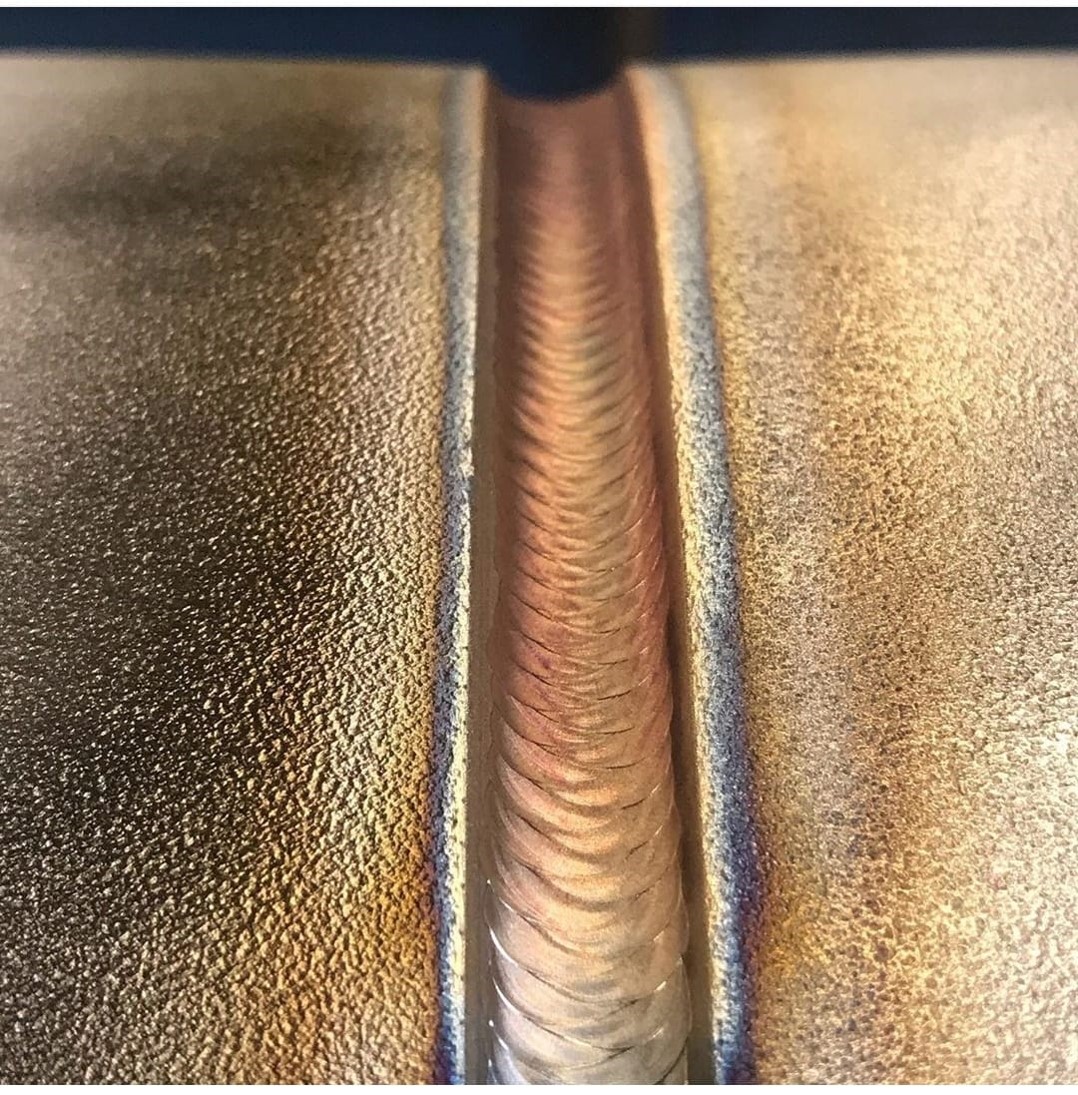
Stainless steels are a group of materials whose main characteristic is corrosion protection, due to their CHROMIUM content,…