INDUSTRIAL SAFETY 
CHARACTERISTICS TO CONSIDER WHEN CHOOSING A WELDING HELMET
The welding helmet or welding mask is a welder’s most essential piece of equipment; it is personal gear,…

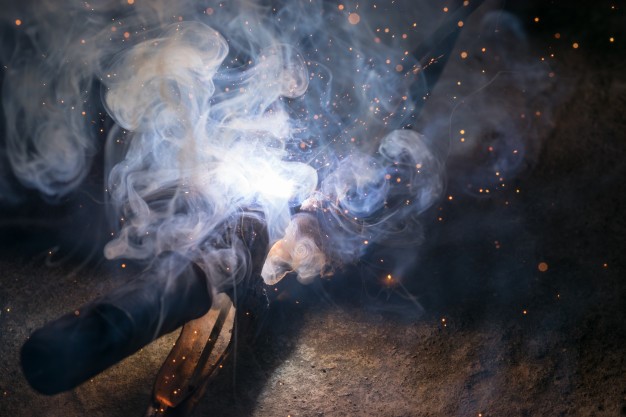
The fumes produced by welding processes are a varied mixture of gases and fine metallic particles; their compositions depend on the different processes that can be generated, such as electric arc processes including SMAW, GMAW, FCAW, GTAW, and PAC. These processes generate different gases such as: carbon dioxide, nitrous oxide, and carbon monoxide.
When welding processes are performed with different materials, these metals break down into small particles; among the most toxic and dangerous are: Chromium, Zinc, Cobalt, Copper, Nickel, Manganese, Lead, Cadmium, Aluminum, Beryllium, Molybdenum, Vanadium, Antimony, Iron, Titanium, and Silicon.
Inhaling these welding fumes can cause very serious diseases; these types of diseases are progressive and can affect multiple organs. The severity of the damage depends on the contaminants present in the welding processes, the amount absorbed, and the duration of exposure.
Prolonged exposure to these types of fumes or gases without any protective equipment can cause chronic, lethal, or terminal diseases such as:
METAL FUME FEVER: This condition occurs when welding is performed on galvanized materials or zinc-coated surfaces. Exposure to these fumes causes an acute condition known as zinc fever or welder’s fever; the main symptoms are:
Although sporadic exposure to this condition does not cause major problems beyond those already mentioned, prolonged exposure to Zinc can also cause significant health problems, such as stomach ulcers, skin irritation, vomiting, nausea, and anemia. High levels of Zinc can damage the pancreas, disrupt protein metabolism, and cause arteriosclerosis. Intensive exposure to zinc chlorate can cause respiratory disorders.
Respirator or fume filter
This is a personal protective device that must be mandatory for use; its primary function is to purify air through a filter that removes substances harmful to health. There are 2 categories grouped according to their use.
Filter classification: filters for particulate matter and metallic fumes are grouped into 3 classes, each of which is subdivided into three minimum protection efficiencies:
According to NIOSH studies, certain filters do not maintain their efficiency when exposed to oil mists such as lubricants, hydraulic fluids, mineral oils, etc.; this is why the class separation exists.
Fellow welder, as you have learned in this article, you are exposed to several invisible hazards. Do not let any of these elements interfere with your metal joining process; therefore, the primary recommendation is to protect yourself from welding fumes and metallic vapors.
Ask the DoctorWelding assistant about this topic and it answers citing our articles.

The welding helmet or welding mask is a welder’s most essential piece of equipment; it is personal gear,…
As has been evidenced in other articles about welding fumes and the proper way to select a metal…