MATERIALS 
## HOW ARE METALS CLASSIFIED?
Metals play a major role today in all areas of society’s development. These materials are present daily in…

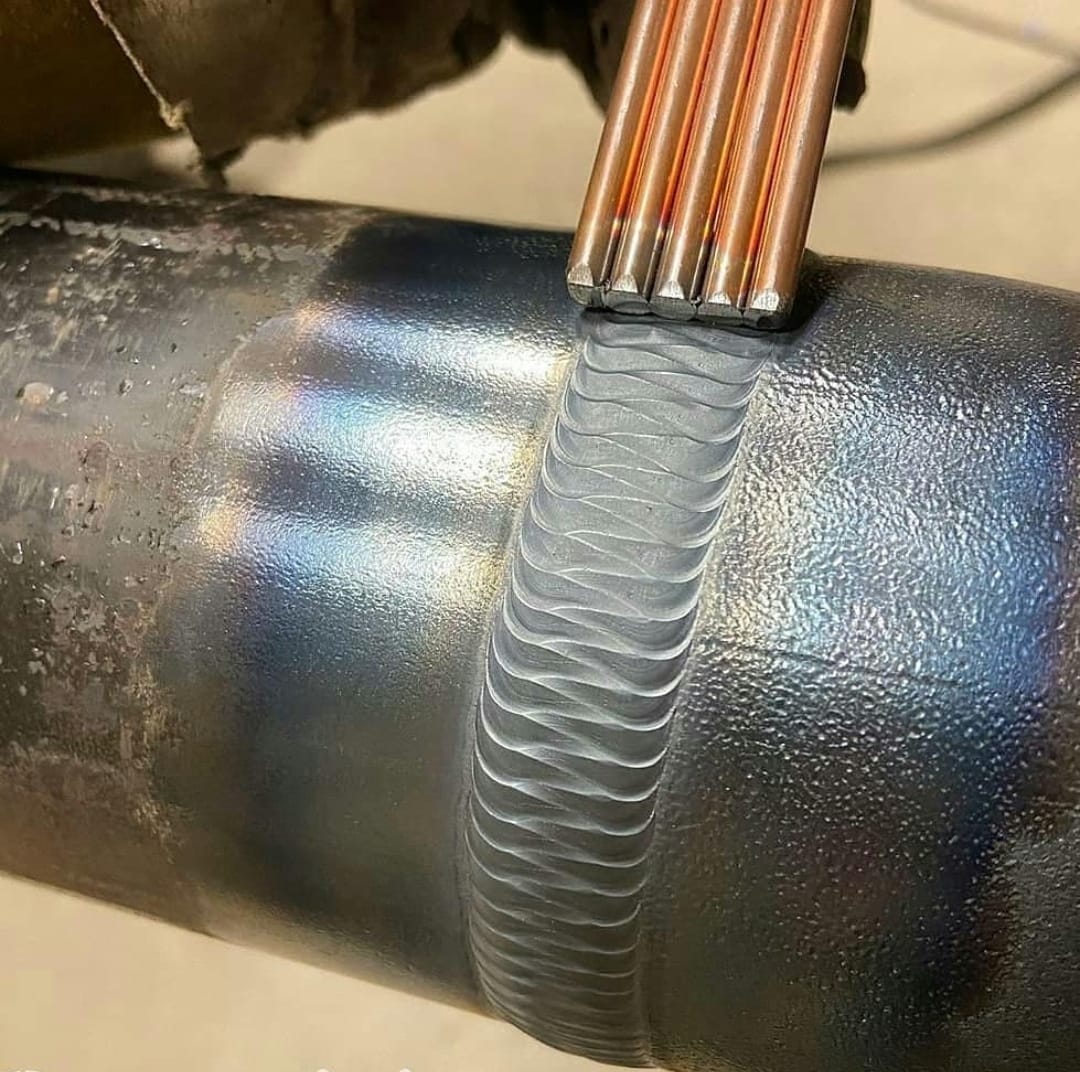
The properties of the deposited weld metal depend on the type of filler metal, type of shielding gas, and the welding process variables that are identified according to standards; for this reason, and in order to organize the different types of consumables by classifying them according to the type of metal to be welded, several institutions or associations created standards or specifications for this purpose.
Below, two of the most widely known standards worldwide are detailed, beginning with the best known, AWS, followed by the Euro Standard EN, or depending on the country, the DIN standard.
In the system developed by AWS, only filler metals are classified, with shielding gases being excluded. The rods commonly used for the GTAW process are covered by the following specifications:
AWS A5.18 – 93 Specification for the Classification of Wires and Rods for Welding with the GTAW and PAW Processes of Carbon Steels.
AWS A5.28 – 79 Specification for the Classification of Wires and Rods for Welding with the GTAW and PAW Processes of Low-Alloy Steels.
AWS A5.9 – 93 Specification for the Classification of Wires and Rods for Welding with the GTAW and PAW Processes of Stainless Steels.
AWS A5.10 – 88 Specification for the Classification of Wires and Rods for Welding with the GTAW and PAW Processes of Aluminum and its Alloys.
AWS A5.7 – 84 Specification for the Classification of Wires and Rods for Welding with the GTAW and PAW Processes of Nickel and its Alloys.
AWS A5.14 – 89 Specification for the Classification of Wires and Rods for Welding with the GTAW and PAW Processes of Magnesium Alloys.
AWS A5.16 – 90 Specification for the Classification of Wires and Rods for Welding with the GTAW and PAW Processes of Titanium and its Alloys.
AWS A5.24 – 90 Specification for the Classification of Wires and Rods for Welding with the GTAW and PAW Processes of Zirconium and its Alloys.
The metals covered by the following specification may also be used in the GTAW Process:
AWS A5.2 – 88 Specification for the Classification of Rods for Welding with the OFW Process of Carbon and Low-Alloy Steels.
Classification Criteria.
Below, some of the most widely applied AWS Specifications for GTAW Process welding are detailed.
In the case of AWS Specification A5.18 – 93, which classifies filler metals for welding Carbon Steels, and AWS A5.28 – 79, which classifies filler metals for welding Low-Alloy Steels, these specifications are the same as those used for GMAW Process consumables; therefore, the same concepts will be repeated.
The classification of the rods covered by these two specifications is based on the mechanical properties of the deposited weld metal in the as-welded condition, type of shielding gas, and chemical composition.
Classification System.
The classification of rods in AWS Specifications A5.18 and A5.28 has the following characteristics:

Where:
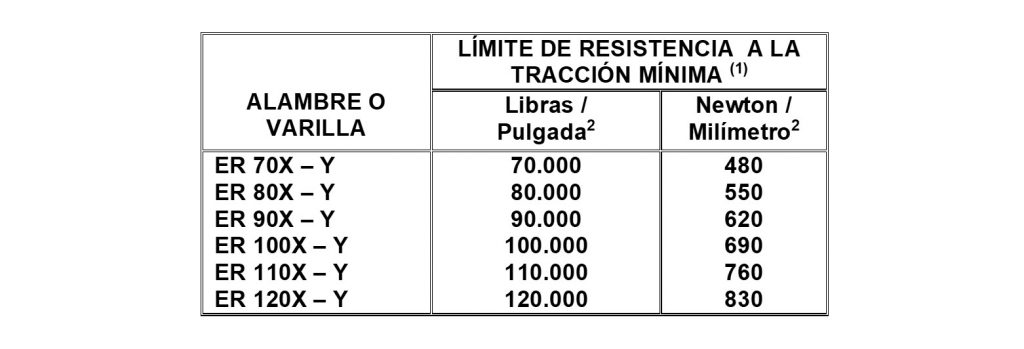
S Indicates that it is a Solid Wire or Rod.
C Indicates that it is a Composite Wire or Rod.
AWS A5.18 SPECIFICATION – Solid Wires and Rods
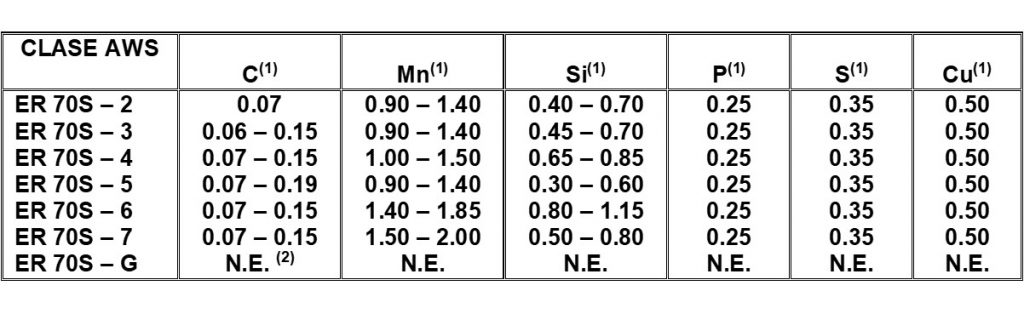
AWS A5.28 SPECIFICATION
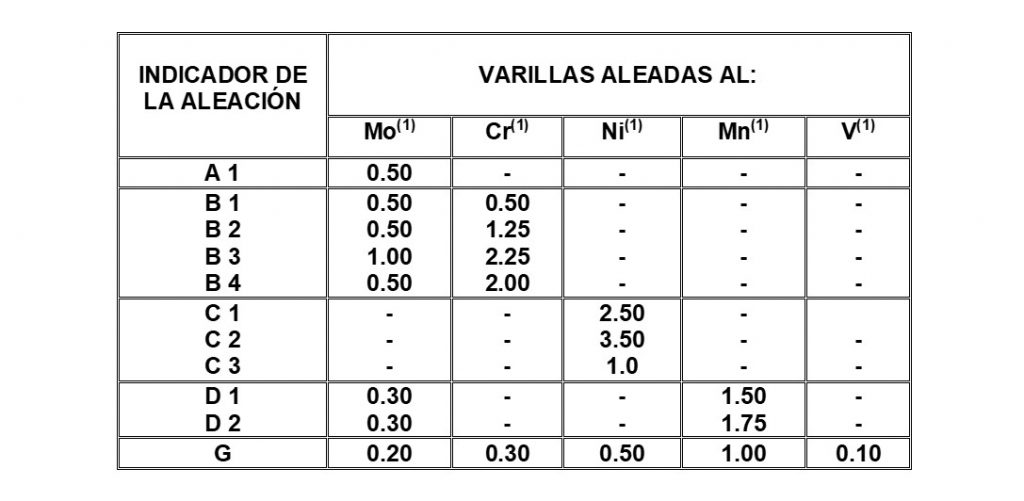
Single values correspond to the maximum
The classification of filler metals, Wires and Rods for welding Stainless Steels, also referred to as Corrosion-Resistant, Chromium, and Chromium-Nickel steels, under AWS Specification A5.9, is based on the chemical composition of the deposited weld metal, and is similar to the classification adopted by AISI for steels with those same properties.
Ask the DoctorWelding assistant about this topic and it answers citing our articles.

Metals play a major role today in all areas of society’s development. These materials are present daily in…
Copper was one of the first metals used by mankind, as it existed in relatively abundant quantities in…