INDUSTRIAL SAFETY 
CHARACTERISTICS TO CONSIDER WHEN CHOOSING A WELDING HELMET
The welding helmet or welding mask is a welder’s most essential piece of equipment; it is personal gear,…

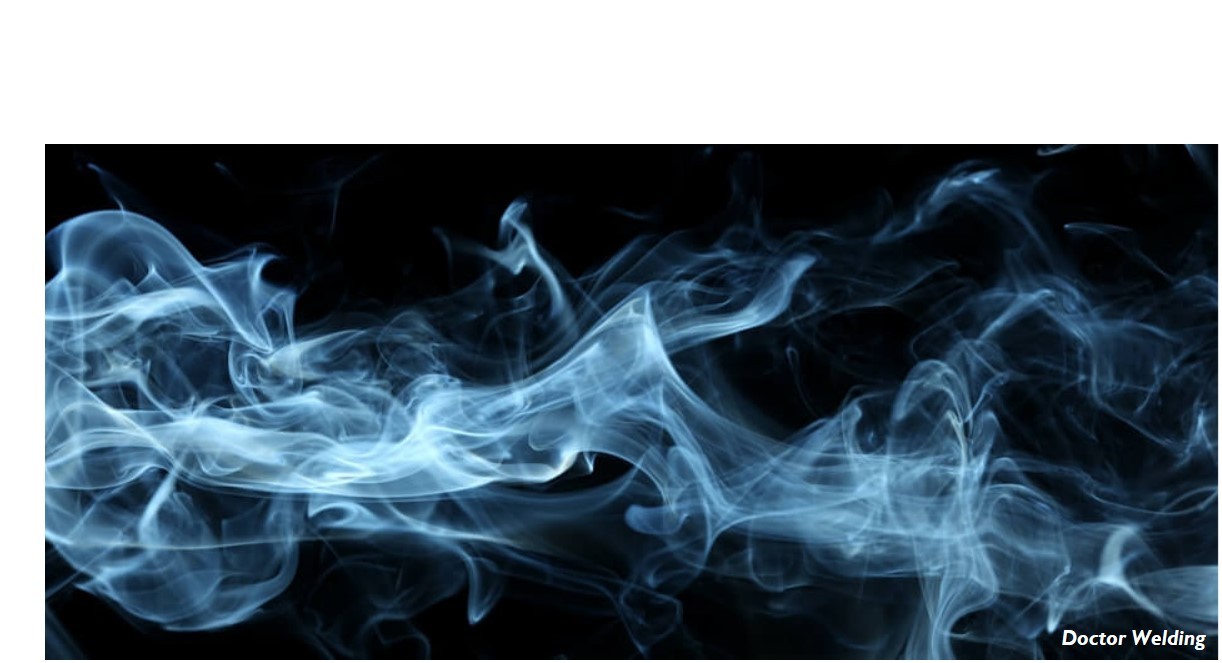
All welding processes present risk factors; depending on the process, some factors are more significant than others. We will specifically analyze the fumes, vapors, and gases that develop during welding processes, which are characterized by being small particles of toxic metals.
Gases and fumes are a varied mixture of airborne gases and fine particles; their composition depends on the welding method and the materials being welded. These affect workers more than other hazards, which is why it is essential that welding operators are aware of these risk factors and use protective equipment to mitigate the various illnesses that can be generated.
Types of welding gases and vapors.
The gases generated during welding include: carbon monoxide, hydrogen fluoride, nitrogen oxides, ozone, and others. Continuous inhalation of these gases causes irritation to the eyes and respiratory tract; high concentrations can cause damage to the lungs and heart.
Vapors are metals in a gaseous state; the most common are: aluminum, beryllium, cadmium oxides, iron and zinc, chromium, copper, molybdenum, nickel, vanadium, lead, and manganese. These welding fumes contain contaminants that can damage the respiratory tract, lungs, and nervous system, and may even cause cancer — the damage can be very severe. In many cases, symptoms may take months or even years to manifest.
How welding gases affect health:
The health problems associated with inhaling these vapors and gases include diseases that cause damage to the respiratory tract and mucous membranes, as well as ear disorders, gastritis, stomach ulcers, kidney and liver damage, and heart disease. Depending on the level of exposure and the type of metal involved, blood poisoning can also occur.
How to protect yourself from welding gases.
To protect yourself adequately, the source generating the gases or fumes must be analyzed. In the case of welding, any paint residue and coatings must be removed from the area to be welded on materials contaminated with paint and oils. In addition, the most appropriate welding process should be selected to minimize contamination.
The most advisable measures are to use fume extraction hoods or systems, adopt a position that prevents the natural rise of generated gases and vapors, ensure proper ventilation, and when necessary, monitor air quality. Self-contained breathing apparatus should be used in areas where ventilation is impossible, especially when performing welding work in confined spaces. Keep in mind that in such applications, the electric arc will consume the oxygen in the area, making the use of a self-contained breathing system mandatory to prevent the welder from running out of breathable air. The appropriate regulations for each situation must be followed. Remember — this is a matter of your health.
In metal welding processes.
There are different welding processes depending on how energy is applied to join metals; each type of welding has its own specific characteristics and risks. The most common health hazards are burns, eye injuries, pulmonary disorders (asthma, chronic bronchitis, “welder’s lung”), gastritis and digestive ulcers, musculoskeletal injuries, and “metal fume fever” or “welder’s fever.”
Below is a list of practical recommendations for people exposed to this type of work:
How to protect yourself during welding work.
Personal protective equipment and appropriate clothing must be used to cover the various parts of the body exposed to ultraviolet radiation, gases, chemical splatter, or molten metal spatter.
The most important elements from an occupational safety and health standpoint in welding are:
Assistants who do not directly perform these activities must also wear personal protective equipment.
The risk of electric shock is high; therefore, you must:
Ask the DoctorWelding assistant about this topic and it answers citing our articles.

The welding helmet or welding mask is a welder’s most essential piece of equipment; it is personal gear,…
As has been evidenced in other articles about welding fumes and the proper way to select a metal…