MATERIALS 
## HOW ARE METALS CLASSIFIED?
Metals play a major role today in all areas of society’s development. These materials are present daily in…
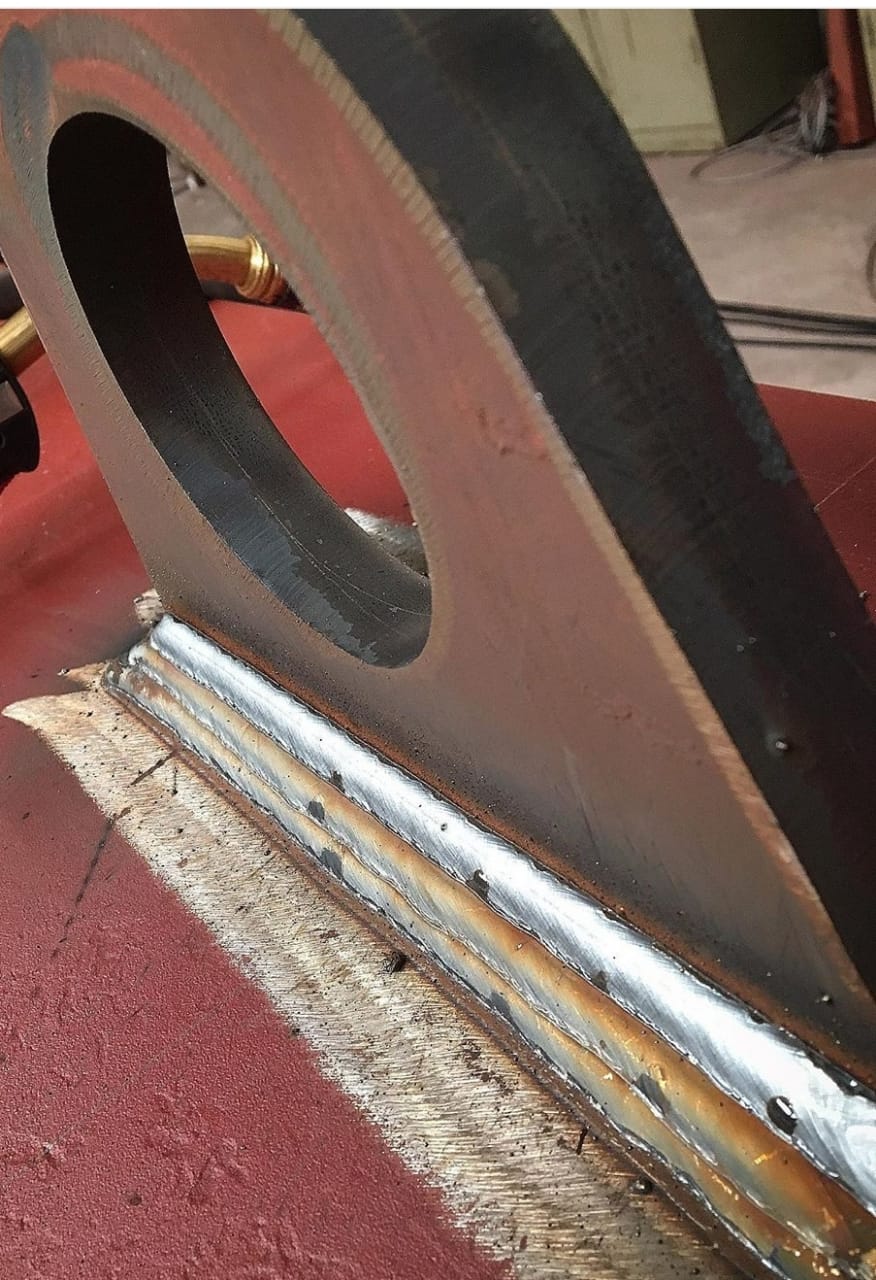
Lamellar tearing is the separation in the base metal or matrix caused by through-thickness stresses induced by weld metal shrinkage under high restraint conditions, which is highly typical of thick plates. Localized stresses due to weld metal shrinkage can be many times greater than the yield point of the base metal; in the through-thickness direction, these stresses can produce lamellar tearing.
Lamellar tearing occurs only in the base metal and, although it may originate near the toe or root of a weld, the tear often initiates away from the HAZ and may not propagate to the surface. The cross-section of a lamellar tear is step-like, with longitudinal terraces that are markedly longer than the transverse portions.
The fracture has a fibrous appearance, and this characteristic, together with the terraced profile and location within the base metal, is the best way to differentiate lamellar tearing from hydrogen-induced cracking in the HAZ.
Tearing occurs mainly in T-joints and corner joints, where the degree of restraint is such that the weld shrinkage stresses imposed on the base metal cannot be accommodated due to the limited through-thickness ductility of the base metal. During the progress of welding, after a sufficient number of passes have been deposited, the weld shrinkage stresses increase in magnitude as the weld cools, causing separation at the interface between microscopic non-metallic inclusions and the base metal.
As more weld metal is deposited, additional microscopic tears form because the non-metallic inclusions and stresses are irregularly dispersed throughout the steel, and the tearing follows the path of least resistance.
Material Properties
In the hot rolling process used to form structural steel, the greatest strength and ductility occur in the longitudinal and transverse directions. Elongation and reduction-of-area values may be significantly lower in the through-thickness direction.
These directional properties are particularly significant in thicker plates because less hot rolling has taken place. When these properties change, a greater responsibility is placed on the designer to detail accordingly and to avoid those types of welded connections that are highly susceptible to lamellar tearing.
In extreme cases, the designer may find it necessary to specify the use of a premium grade of steel that will guarantee acceptable through-thickness properties. Such steels are commercially available.
Recommendations
Successful highly restrained joints require an understanding of the phenomena and careful attention to detailing on the part of the designer. Good materials and workmanship cannot ensure success in poorly conceived, designed, or specified joints.
The following are some of the recommendations presented as representative of possible means to minimize or prevent lamellar tearing:
Ask the DoctorWelding assistant about this topic and it answers citing our articles.

Metals play a major role today in all areas of society’s development. These materials are present daily in…
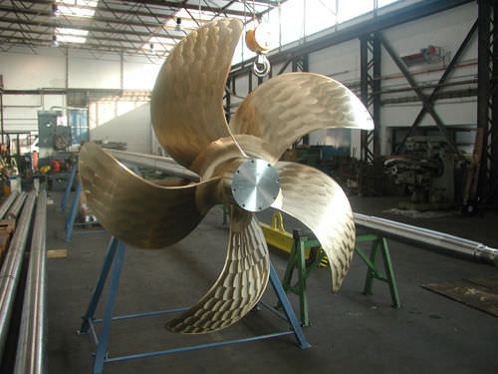
Copper was one of the first metals used by mankind, as it existed in relatively abundant quantities in…