No Catergory 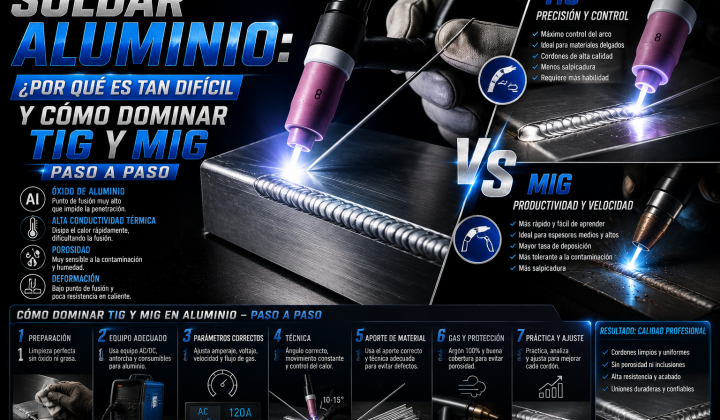
Welding Aluminum: Why It’s So Difficult and How to Master TIG and MIG Step by Step
Beginner's Guide to Aluminum Welding: Oxide Cleaning, Shielding Gas, Polarity, and Equipment Settings for TIG and MIG.
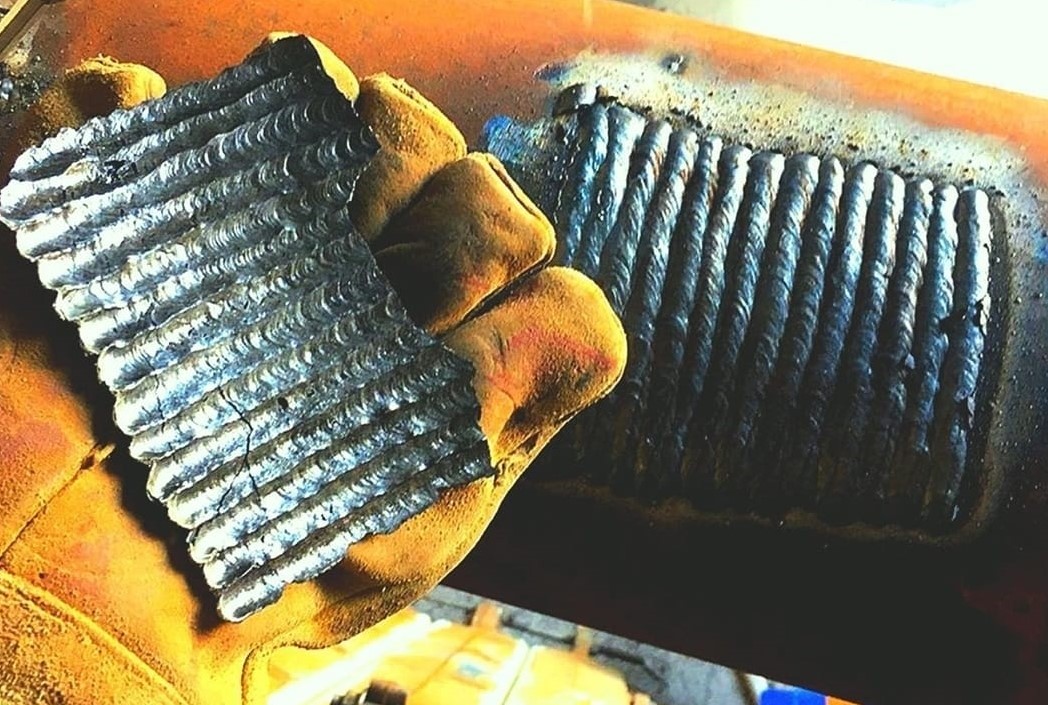
During the 1970s, great efforts were devoted to the development of new hard surfacing techniques. The goal has always been the same: to achieve the highest possible surface hardness, in order to extend the service life of machine components subjected to different wear mechanisms.
Today, hard surfacing plays an active role in welding applications, as many welding manufacturers have dedicated time to developing new alloys in order to improve the service life of workpieces. By definition, hard surfacing is: The application of an alloy with superior resistance to the wear mechanism affecting a component or part.
Why should a part be coated?
The basic philosophy is “Economics.” That is, to extend the service life of a part or component over a longer period than an uncoated part.
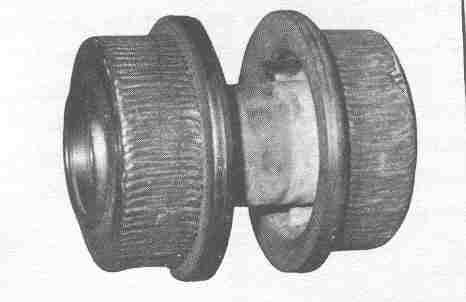
The benefits of rebuilding a part are: Improving service life and efficiency, reducing maintenance costs, worn parts can be reconditioned at a lower cost, rebuilding parts that will outlast new components, the ability to manufacture a part from a lower-cost base metal and coat it, and in some cases achieving energy savings through process optimization.
Wear Mechanisms.
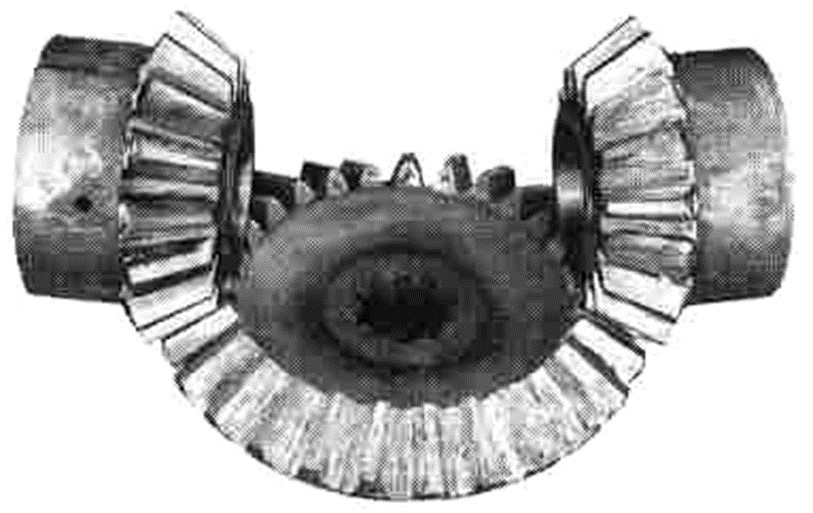
Metal-to-metal friction. Produced by contact between two metallic surfaces.
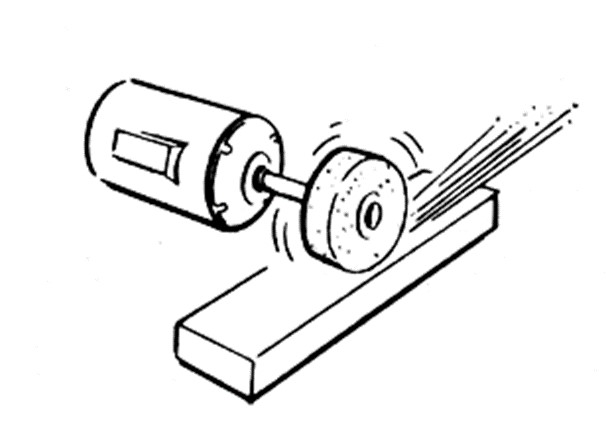
Abrasion. Wear produced by protrusions or particles moving along a solid surface.
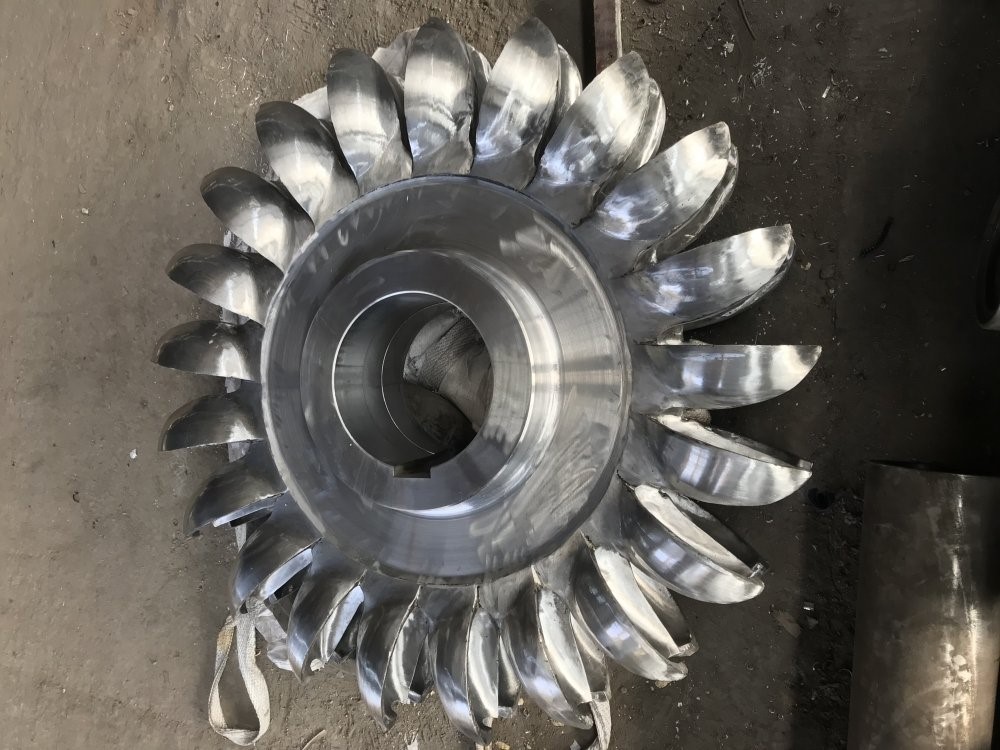
Cavitation. A liquid can also erode a metallic surface through the repetitive formation of bubbles and their subsequent collapse.
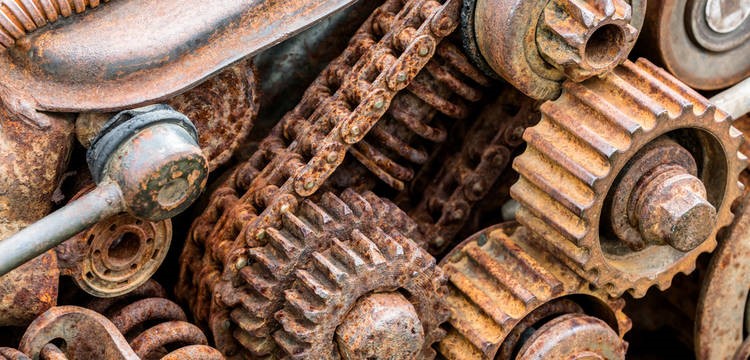
Corrosion. Material loss due to chemical attack under operating or service conditions.
High temperatures. Deterioration of the metal surface as a result of elevated temperatures.
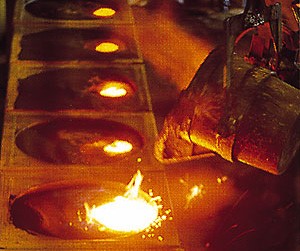
Types of Overlay.
Buildup: Consists of filling in a part that has undergone severe wear so that it recovers its original dimensions.
Buttering (buffer layer): Consists of one or two weld layers applied to the base metal prior to the hardfacing overlay.
Hardfacing: The weld layer that will remain on the surface of the part and will be exposed to the working conditions.
TYPES OF WELD DEPOSITS
Because increasing the hardness of a hardfacing overlay makes it more brittle and therefore less weldable, an unlimited number of layers cannot be applied. As a general rule, as hardness increases, the number of weld layers decreases.
WELD DEPOSIT HARDNESS NUMBER OF LAYERS
20 to 40 RC Unlimited
40 to 50 RC 5
50 to 55 RC 3
55 to 65 RC 2
62 to 70 RC 1
WELDING PROCESSES USED IN HARDFACING
Ask the DoctorWelding assistant about this topic and it answers citing our articles.

Beginner's Guide to Aluminum Welding: Oxide Cleaning, Shielding Gas, Polarity, and Equipment Settings for TIG and MIG.
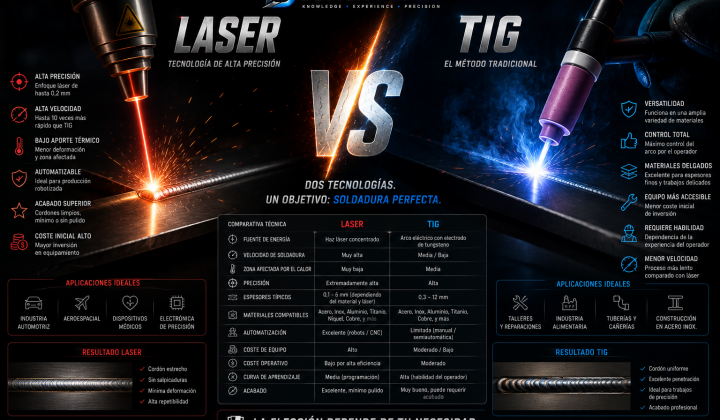
Comparison between laser and TIG welding focusing on the advantages of laser: speed, distortion, penetration, and automation.