No Catergory 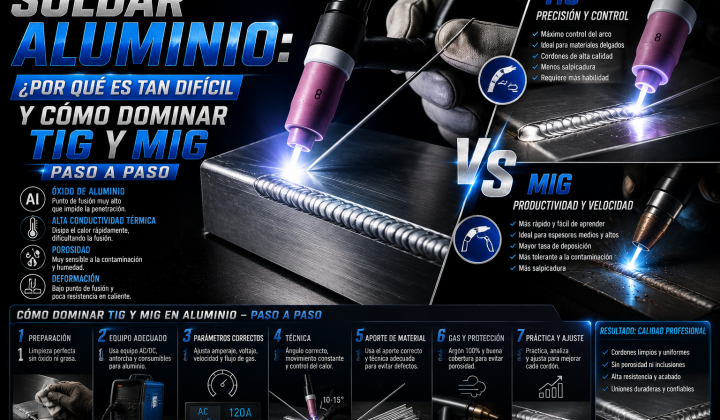
Welding Aluminum: Why It’s So Difficult and How to Master TIG and MIG Step by Step
Beginner's Guide to Aluminum Welding: Oxide Cleaning, Shielding Gas, Polarity, and Equipment Settings for TIG and MIG.
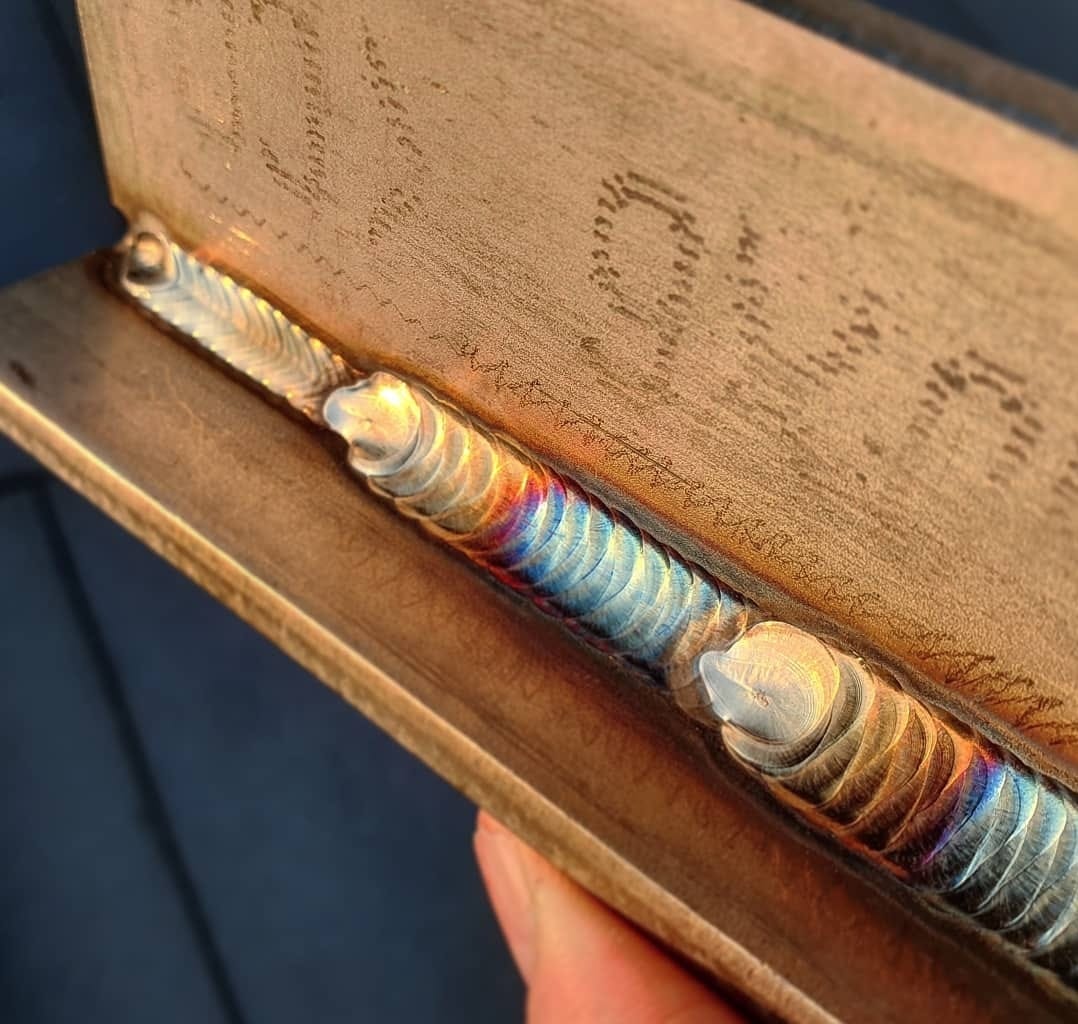
Welding positions are established to qualify a welder’s skill. When referring to welding positions, we are talking about a joint that will be performed in a position other than flat, given that the flat position is the most suitable for producing the highest quality weld. However, not all work can be performed in the flat position, which is why welding positions exist — they serve to determine a welder’s skill when performing a job. To qualify a welder’s skill, a previously qualified welding procedure must be in place; the types of joints to be performed and the positions in which they will be executed must be analyzed, in order to determine the best position for qualifying the welder. The most demanding tests for evaluating a welder’s skill involve pipe joints, as it is understood that welding on a cylindrical surface is more complex than welding on a flat surface.
For welder qualification to be carried out in the best possible manner, the acceptance criteria of the code or standard used as reference for fabrication or repair must be reviewed. Keep in mind that codes and standards have a defined scope that is essential to consider throughout project development. This is why the AWS (American Welding Society) has established codes and standards for everything related to the fabrication of metal structures. The American Society of Mechanical Engineers (ASME) covers everything related to pressure vessels, and the American Petroleum Institute (API) establishes standards for the construction of pipelines and crude oil storage tanks.
These are the primary organizations, and all of them establish acceptance criteria for welding procedures and welder qualification, in which position becomes an essential variable for skill assessment.
Position does not affect the mechanical properties of the weld; therefore, it is not an essential variable for qualifying procedures according to the applicable code or standard.
The specification shall always record the positions in which the welding is to be performed.
TEST POSITIONS FOR GROOVE WELDS
Positions for Plate
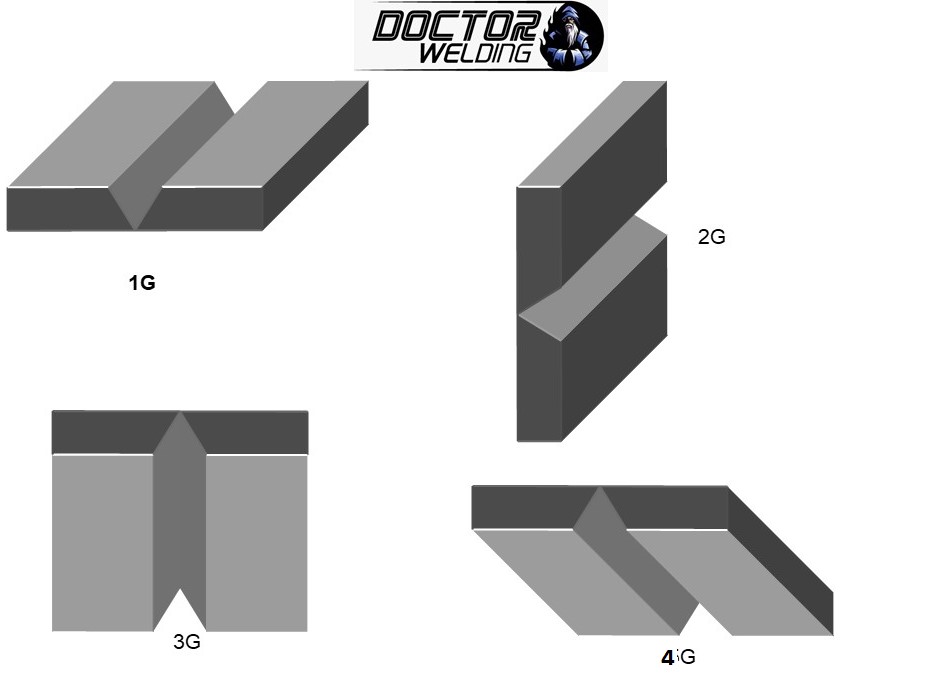
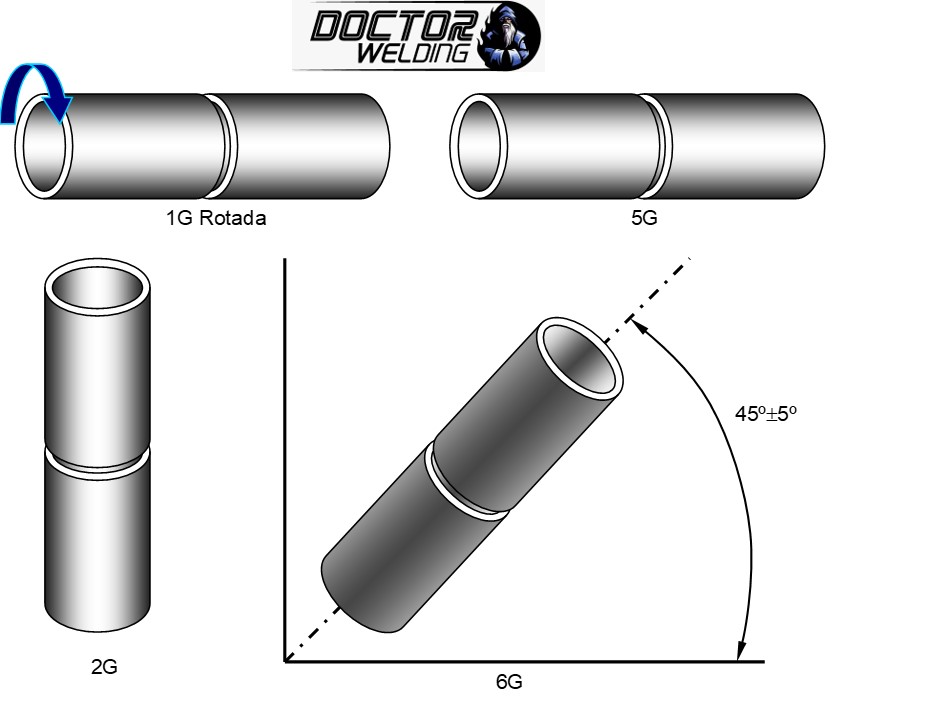
Positions for Pipe.
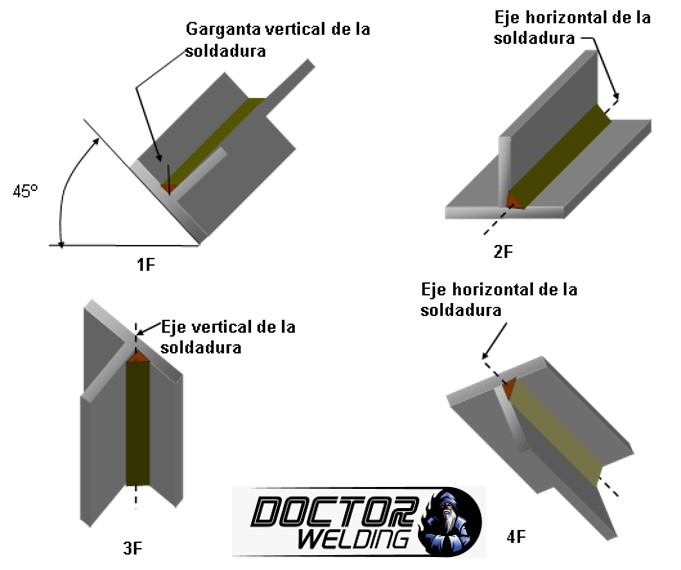
Positions for Fillet Welds in T-joints.
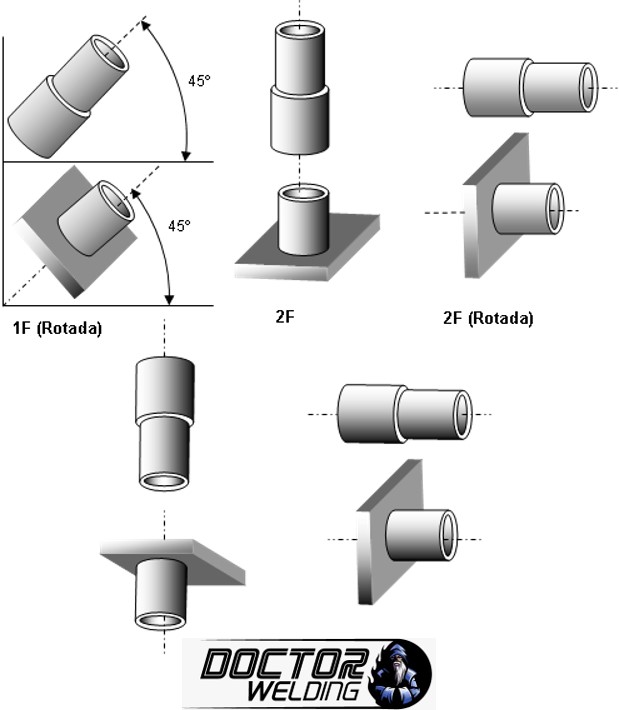
Positions for Pipe Fillet Welds.
Ask the DoctorWelding assistant about this topic and it answers citing our articles.

Beginner's Guide to Aluminum Welding: Oxide Cleaning, Shielding Gas, Polarity, and Equipment Settings for TIG and MIG.
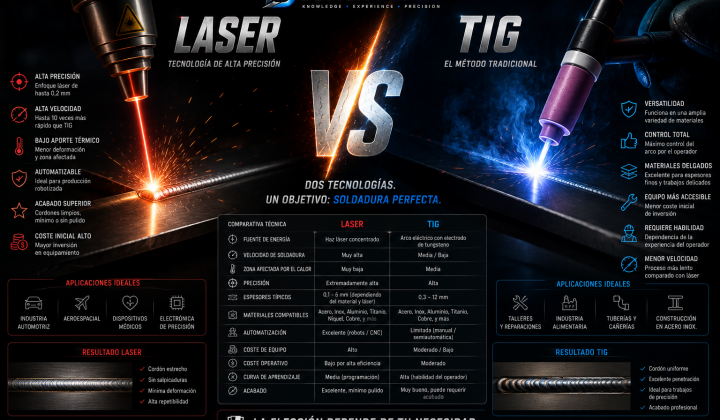
Comparison between laser and TIG welding focusing on the advantages of laser: speed, distortion, penetration, and automation.