Archive

Month: June 2026

MATERIALES
MATERIALES

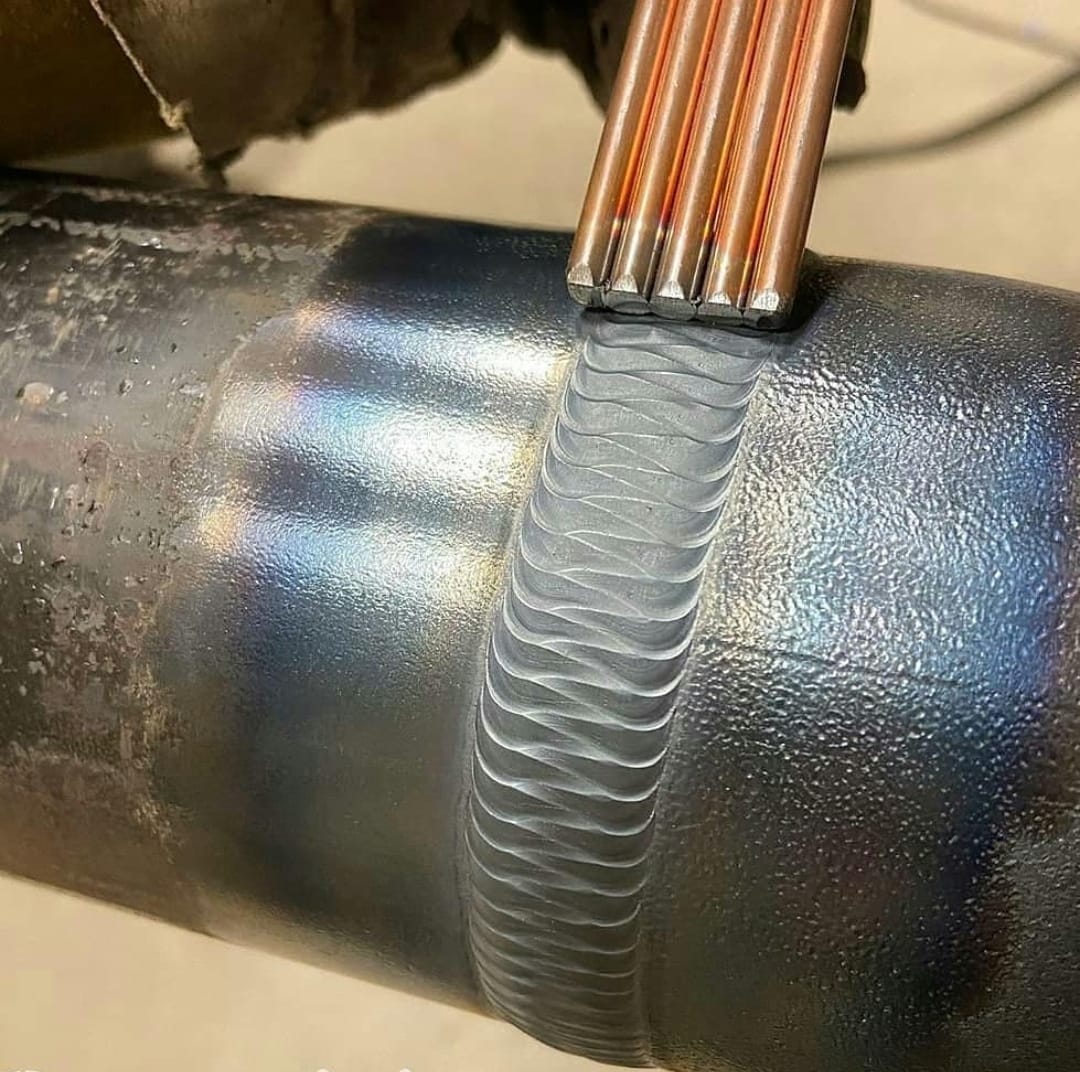
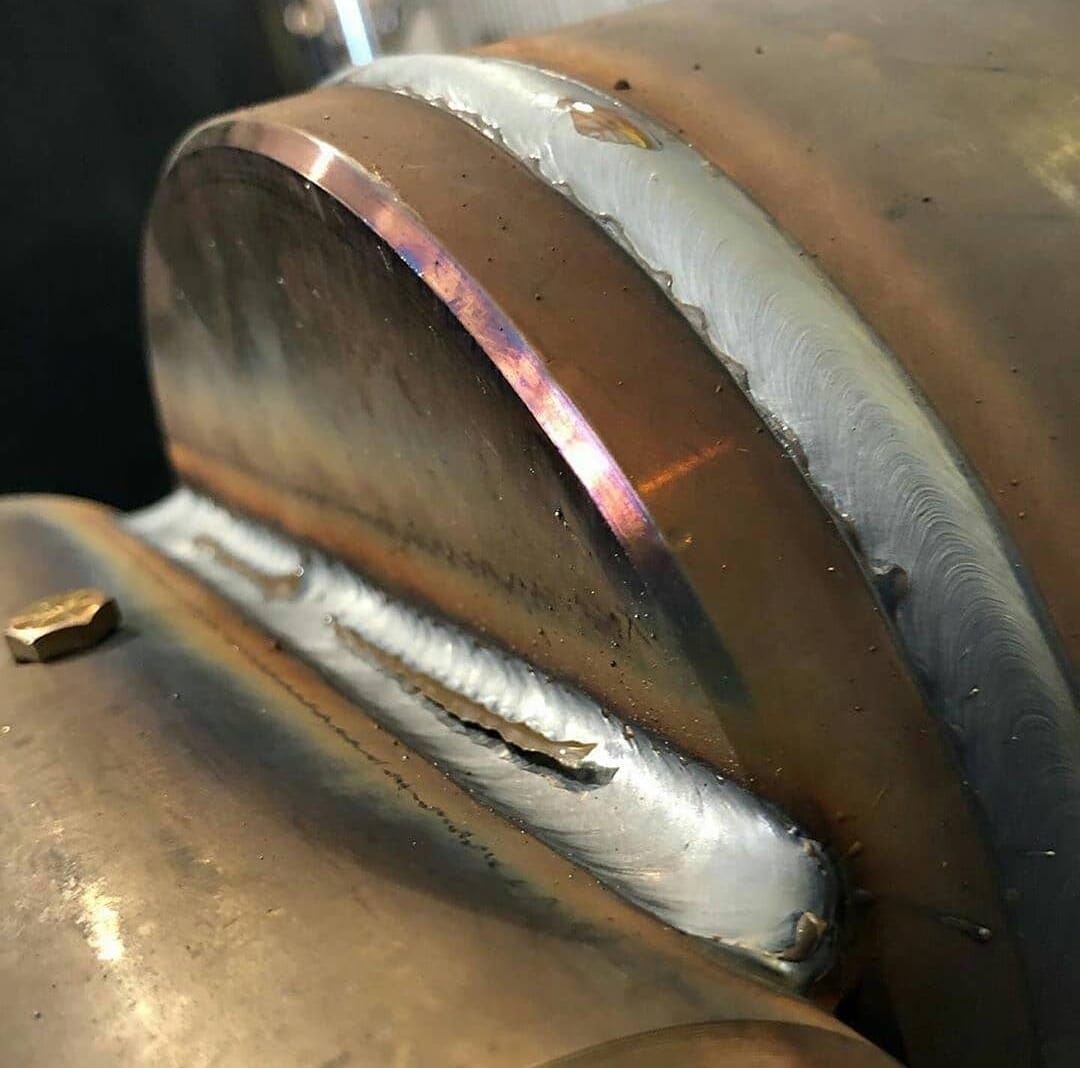
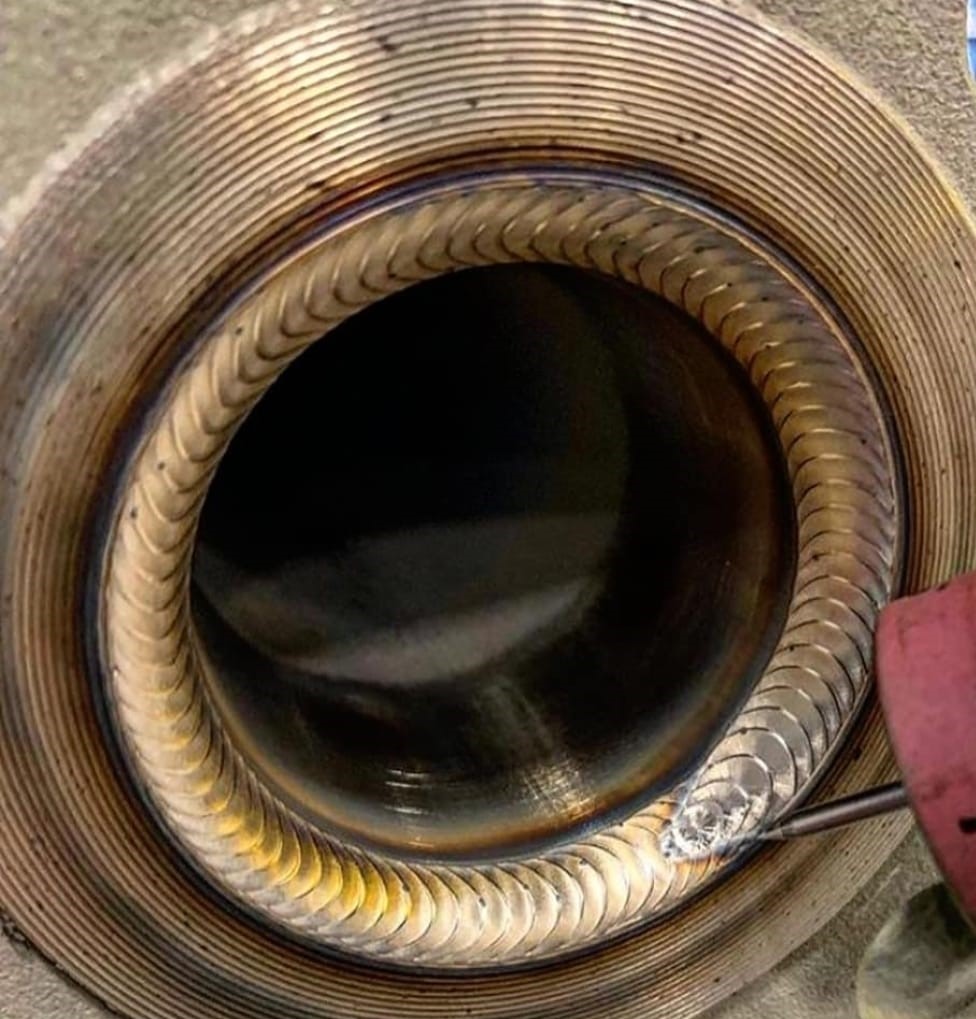
# HOW ARE FILLER RODS CLASSIFIED FOR THE GTAW-TIG PROCESS? Filler rods used in the GTAW (Gas Tungsten Arc Welding) / TIG (Tungsten Inert Gas) process are classified according to standards established by the **American Welding Society (AWS)**, based on the base metal to be welded. The main classifications are as follows: — ## 1. **FILLER RODS FOR CARBON AND LOW-ALLOY STEEL** ### Standard: **AWS A5.18** | Classification | Description | |—|—| | ER70S-2 | Triple-deoxidized; suitable for rusty or dirty base metals | | ER70S-3 | General purpose; for clean base metals | | ER70S-6 | High manganese and silicon content; for semikilled steels | – **”E”** = Electrode – **”R”** = Rod (filler rod) – **”70″** = Minimum tensile strength (70,000 psi) – **

The properties of the deposited weld metal depend on the type of filler metal, type of shielding gas,…
4 min
PROCESOS SOLDADURA
PROCESOS SOLDADURA

WHAT ARE THE RECOMMENDED GASES FOR THE GMAW PROCESS?

In gas-shielded arc welding processes, the shielding gas has a great influence on both the properties of the…

4 min
PROCESOS SOLDADURA
PROCESOS SOLDADURA

WHAT ARE THE MOST COMMON APPLICATIONS OF THE GTAW PROCESS?

The GTAW or TIG process is considered one of the most versatile of all welding processes. It can…

4 min
PROCESOS SOLDADURA
PROCESOS SOLDADURA

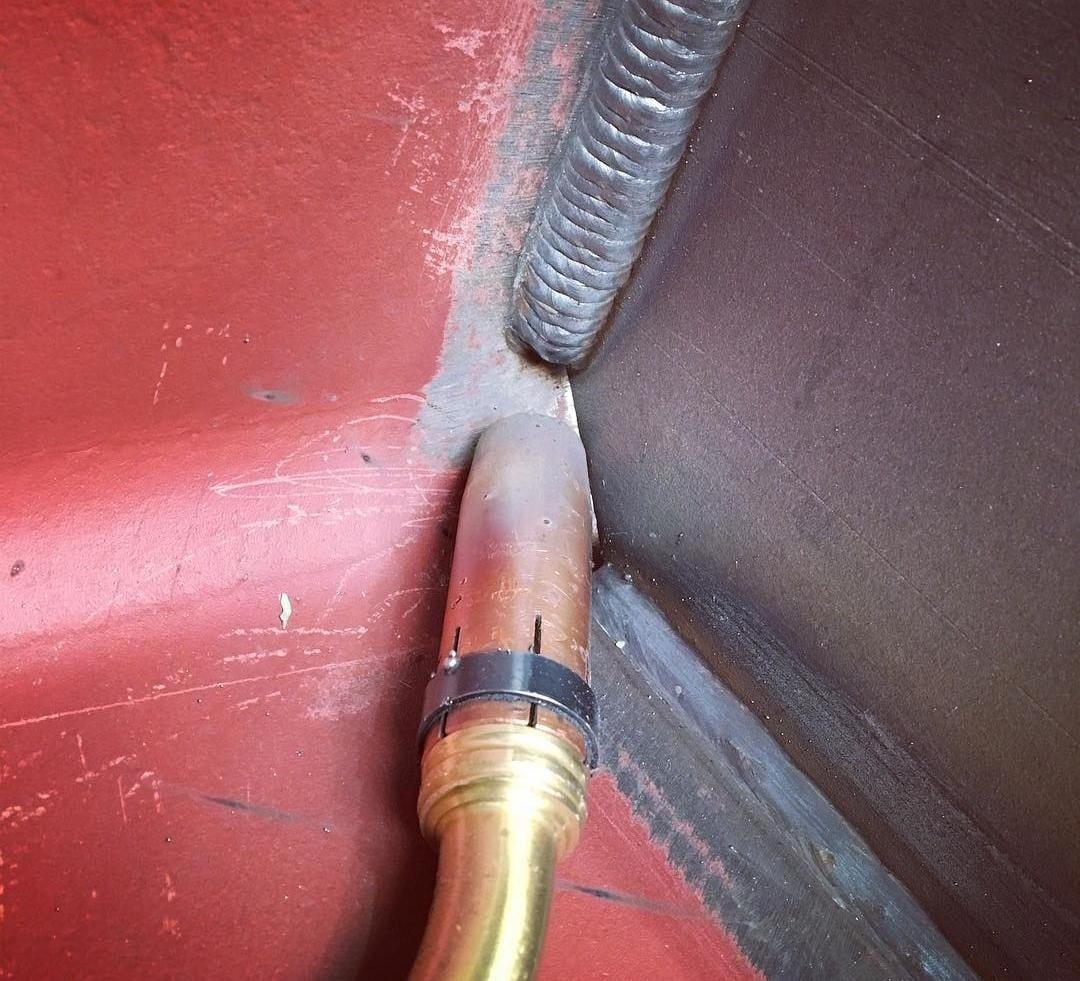
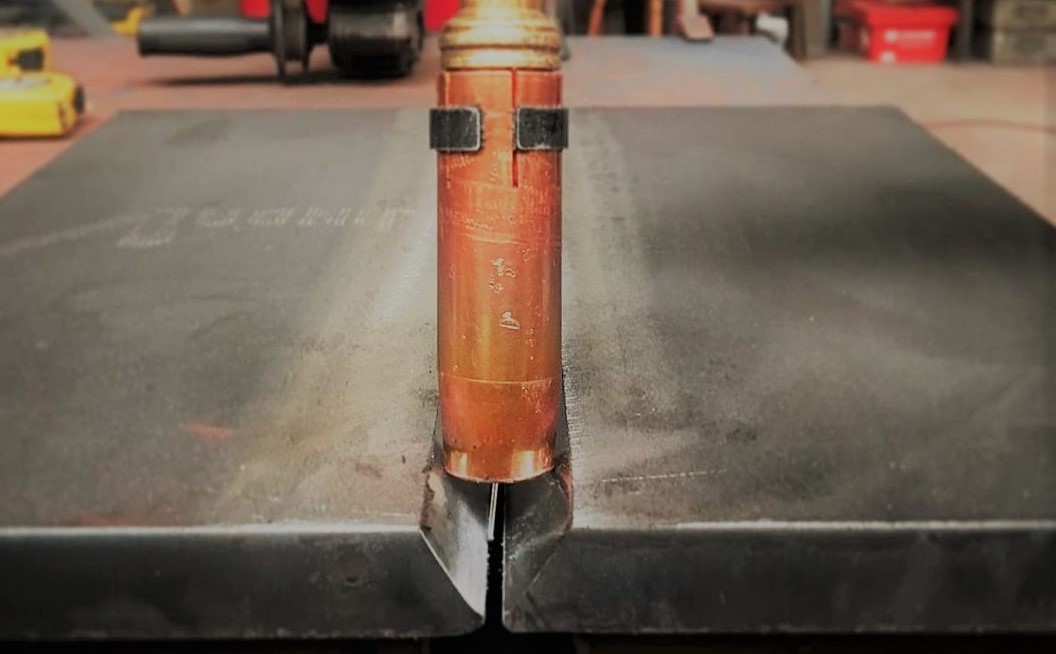
WHAT IS THE MOST APPROPRIATE APPLICATION TECHNIQUE IN THE MIG-MAG PROCESS? The most appropriate technique in the MIG-MAG process depends on several factors, but the following key aspects can be identified: — ## TRAVEL ANGLE AND WORK ANGLE – **Work angle:** Maintained between **45° on fillet welds** and **90° on butt welds** – **Travel angle:** Between **5° and 15°** from vertical is recommended — ## TRAVEL TECHNIQUE **Forehand (Push) Technique:** – The torch is pushed in the direction of travel – Provides better visibility of the weld pool – Produces a flatter, wider bead with less penetration – Recommended for thin materials **Backhand (Drag) Technique:** – The torch is dragged in the direction of travel – Produces deeper penetration and a narrower bead – Recommended for thicker materials — ## ELECTRODE EXTENSION (CTWD) – Maintain a **contact tip-to-work distance (CTWD) of 10 to 19 mm

HOW ELECTRODE ORIENTATION SHOULD BE As in all arc welding processes, the orientation of the electrode with respect…

3 min
PROCESOS SOLDADURA
PROCESOS SOLDADURA

# WHAT EFFECT DO ARC VOLTAGE AND TRAVEL SPEED HAVE ON THE GMAW (MIG-MAG) PROCESS? ## ARC VOLTAGE Arc voltage directly controls **arc length** and has a significant influence on bead geometry and weld quality: – **High voltage** → longer arc, wider and flatter bead, greater spatter, risk of porosity and undercut. – **Low voltage** → shorter arc, narrow and convex bead, tendency toward lack of fusion and stubbing of the wire electrode. – **Optimal voltage** → stable arc, adequate wetting, smooth bead profile with proper tie-in at the toes. Arc voltage also affects **metal transfer mode**: lower voltages favor short-circuit transfer, while higher voltages promote globular or spray transfer (depending on shielding gas composition and current level). — ## TRAVEL SPEED Travel speed determines the amount of heat input and filler metal deposited per unit length of weld: – **High travel speed** → less heat input, narrow bead, reduced penetration, risk of lack of fusion and undercut. – **Low travel speed**

ARC VOLTAGE (ARC LENGTH) The terms Arc Voltage and Arc Length are often used interchangeably; the truth is…

4 min