Archive

Month: June 2026

General
General

HARD FACINGS – WHAT ARE THEY USED FOR?

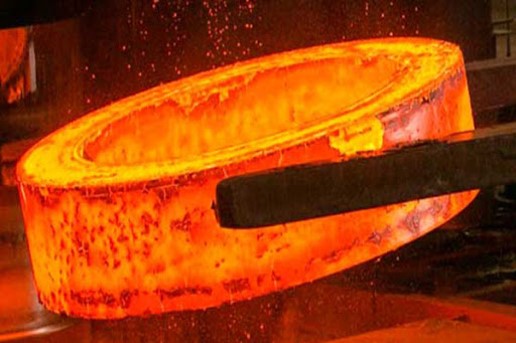
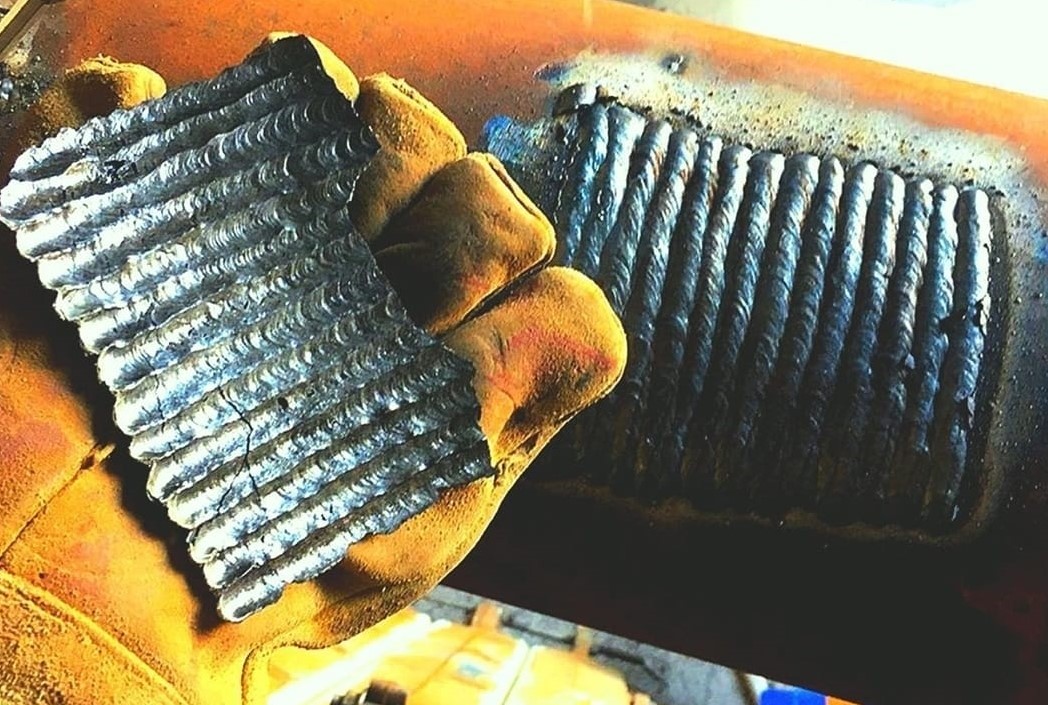
During the 1970s, great efforts were devoted to the development of new hard surfacing techniques. The goal has…
5 min
MATERIALES
MATERIALES

# WHAT ARE HEAT TREATMENTS AND WHAT ARE THEY USED FOR.

Heat treatment is the operation of heating and cooling a metal in its solid state to change its…
5 min
General
General

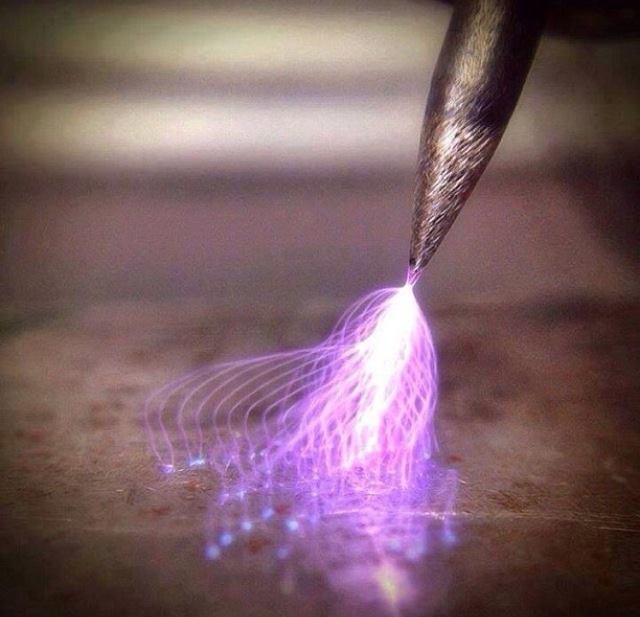
# HOW WELDING DEVELOPED THROUGHOUT THE WORLD The history of welding dates back thousands of years, long before modern electrical and industrial processes were developed. Its evolution has been a gradual process driven by the need to join metals permanently and efficiently. — ## **Ancient Origins** The earliest forms of welding were practiced during the **Bronze Age and Iron Age**, approximately 3,000 years ago. Ancient blacksmiths discovered that metals could be joined by heating them to high temperatures and hammering them together, a process known as **forge welding**. Archaeological evidence shows that small circular gold boxes were made using this technique as far back as the **Bronze Age in Europe**. In ancient Egypt and the Middle East, craftsmen used primitive welding methods to manufacture tools, weapons, and decorative objects. The **Damascus sword**, famous for its exceptional quality, was produced using forge welding techniques that joined different types of steel together. — ## **The Middle Ages** During the **Middle Ages**, blacksmithing became a highly refined craft. European and Asian smiths perfected **forge welding** to manufacture armor, swords, agricultural tools, and structural ironwork. Skilled blacks

The origin of welding as a technology for joining metallic materials dates back to the Bronze Age, where…
4 min
MATERIALES
MATERIALES

# TITANIUM: A METAL WITH EXCELLENT PROPERTIES

Titanium is a metallic element discovered in 1763 in the sands of Cornwall, isolated in impure form in…
5 min
General
General

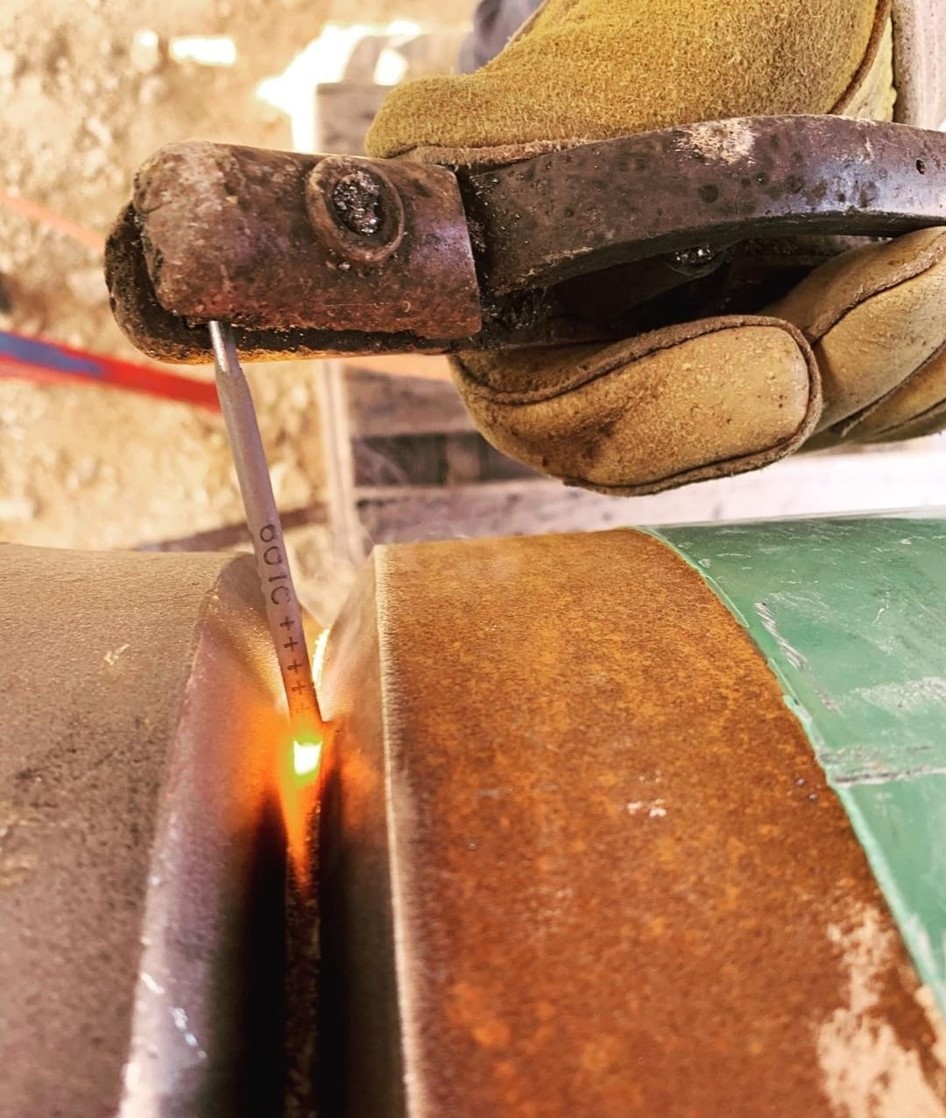
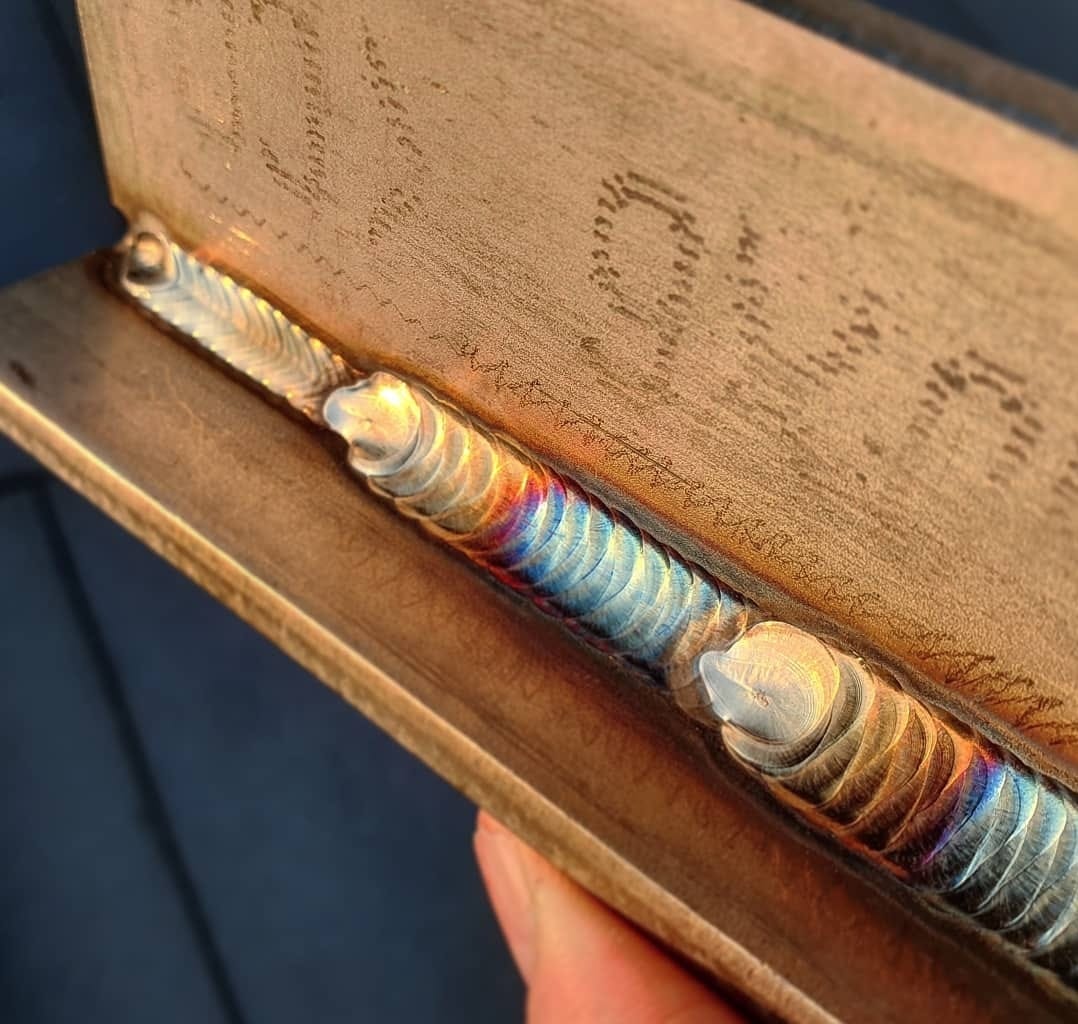
# WELDING POSITIONS — WHAT ARE THEY FOR? Welding positions define the spatial orientation in which a weld is performed relative to the workpiece and the welder. They are essential because they directly influence the behavior of the molten weld pool, the technique applied, the parameters used, and the quality of the finished weld. — ## Main Welding Positions ### **1F / 1G — Flat Position** The weld is performed on the upper side of the joint, with the workpiece lying horizontally. This is the easiest position to weld, as gravity helps control the weld pool. It allows higher travel speeds and deposition rates. ### **2F / 2G — Horizontal Position** The weld axis runs horizontally, but the joint face is vertical. The weld pool tends to sag downward due to gravity, requiring adjustments in technique and parameters to avoid undercut and overlap. ### **3F / 3G — Vertical Position** The weld is deposited along a vertical axis, either progressing upward (vertical-up) or downward (vertical-down). Gravity pulls the mol

Welding positions are established to qualify a welder’s skill. When referring to welding positions, we are talking about…

4 min