General 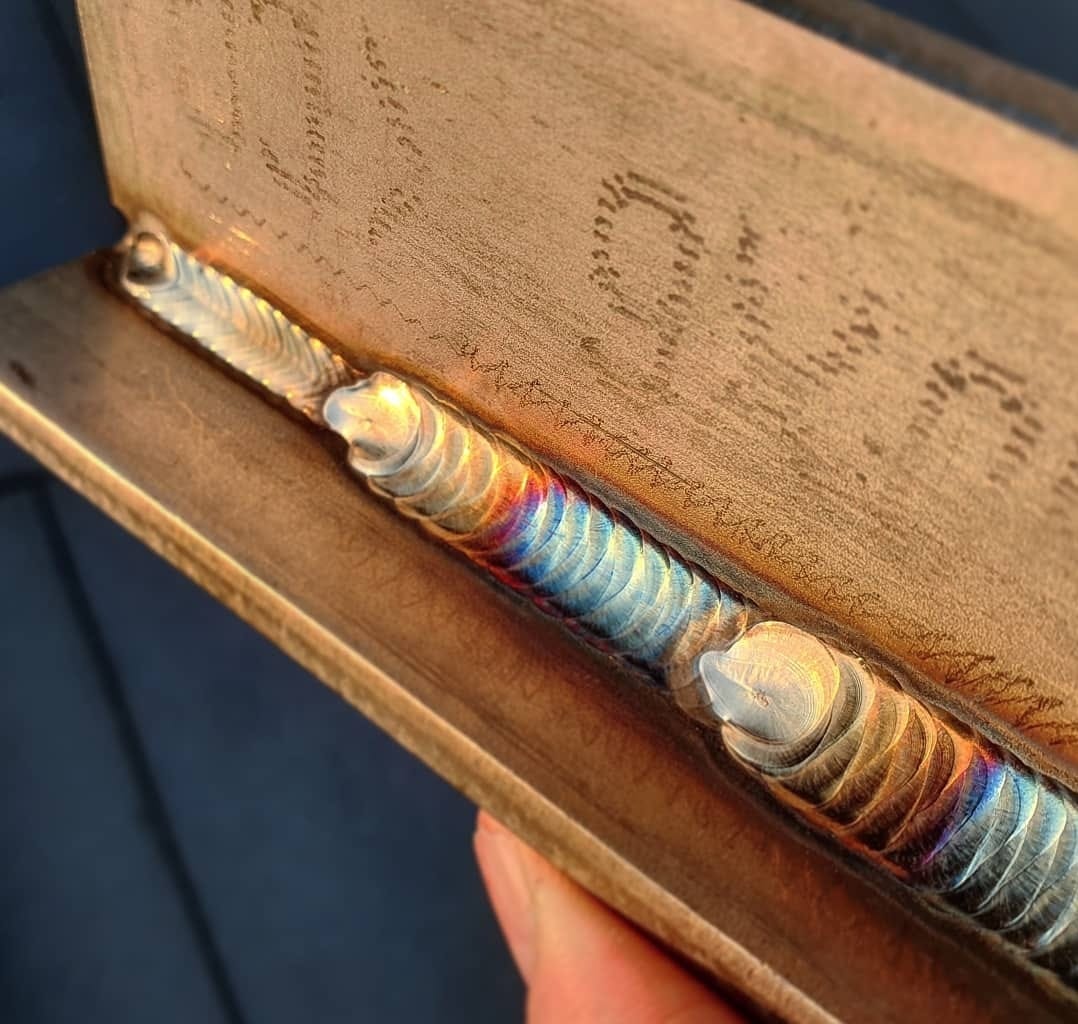
General
# WELDING POSITIONS — WHAT ARE THEY FOR? Welding positions define the spatial orientation in which a weld is performed relative to the workpiece and the welder. They are essential because they directly influence the behavior of the molten weld pool, the technique applied, the parameters used, and the quality of the finished weld. — ## Main Welding Positions ### **1F / 1G — Flat Position** The weld is performed on the upper side of the joint, with the workpiece lying horizontally. This is the easiest position to weld, as gravity helps control the weld pool. It allows higher travel speeds and deposition rates. ### **2F / 2G — Horizontal Position** The weld axis runs horizontally, but the joint face is vertical. The weld pool tends to sag downward due to gravity, requiring adjustments in technique and parameters to avoid undercut and overlap. ### **3F / 3G — Vertical Position** The weld is deposited along a vertical axis, either progressing upward (vertical-up) or downward (vertical-down). Gravity pulls the mol
Welding positions are established to qualify a welder’s skill. When referring to welding positions, we are talking about…